
What Is an EPP Pre-Expander and How Does It Differ from EPS
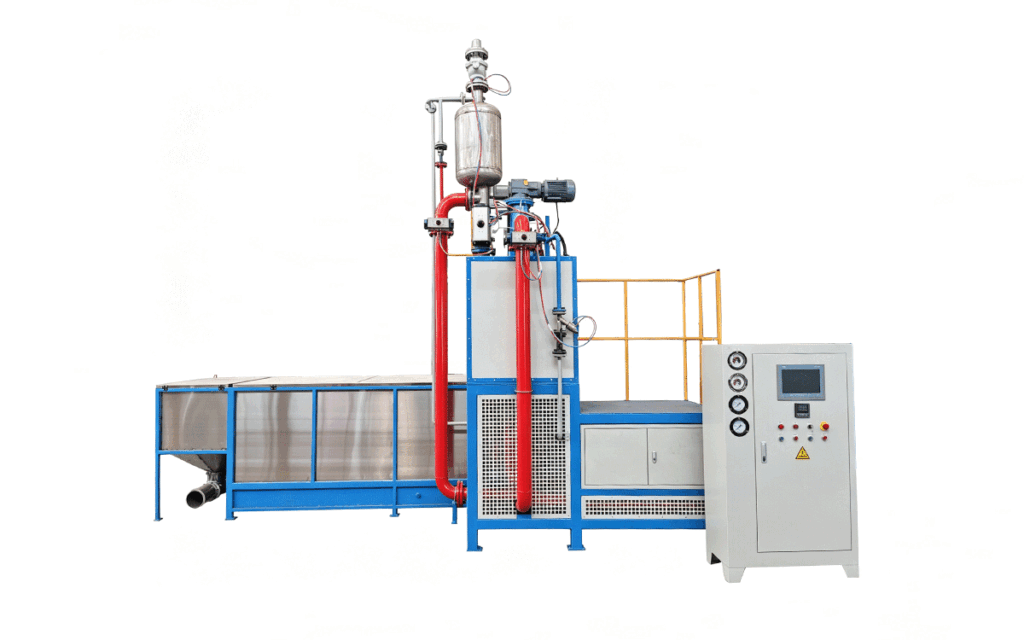
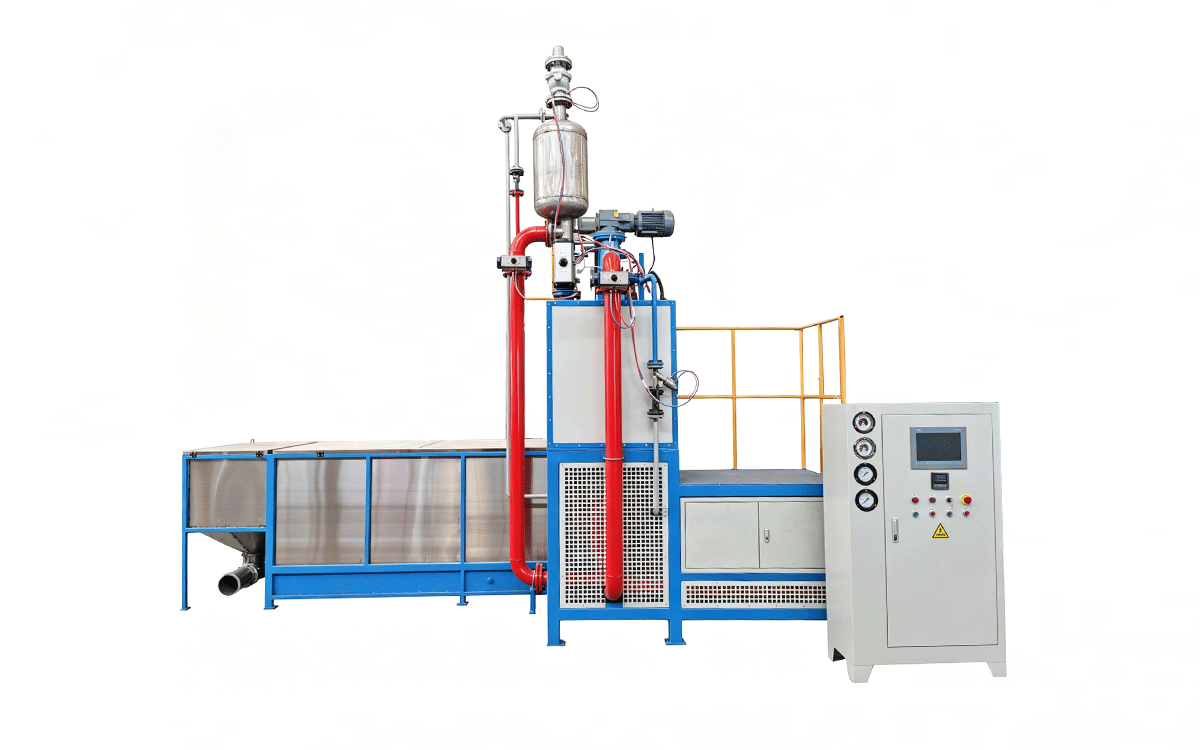
EPP—expanded polypropylene—is the springy, reusable cousin of EPS, and it has its own machine at the front of the line. An EPP pre-expander machine looks similar to an EPS unit on the outside, but the bead, the temperatures, and the process control are different enough that you cannot simply run EPP through an EPS pre-expander. This guide explains what EPP is, how its pre-expander works, when to choose it, and how to decide between the two materials for your products.
What EPP is and why it needs its own pre-expander
EPP bead is made from polypropylene rather than polystyrene. It expands into a resilient, energy-absorbing foam that bounces back after impact—perfect for automotive parts, reusable boxes, and protective packaging that must survive repeated use. Because polypropylene has a higher melting point and different blowing-agent behaviour than polystyrene, it needs more heat and finer control during expansion. That is why a purpose-built EPP pre-expander machine is required.
How an EPP pre-expander machine works
Like an EPS unit, the EPP pre-expander machine uses steam in a pressurized chamber to expand the bead. The difference is in the tuning: EPP demands higher and more stable steam temperatures, slower bead residence, and careful conditioning so the bead reaches the target density without melting shut. The control system matters more here than raw chamber size. Where an EPS unit tolerates some sloppiness, an EPP unit punishes it with fused, unusable bead.
EPP vs EPS: the key differences
| Aspect | EPS bead | EPP bead |
|---|---|---|
| Polymer | Expandable polystyrene | Expanded polypropylene |
| Expansion trigger | Steam softens bead, blowing agent expands | Higher-temperature steam conditioning |
| Temperature demand | Moderate | Higher, tightly controlled |
| Mechanical behaviour | Rigid, brittle | Flexible, springy, reusable |
| Typical products | Blocks, insulation, single-use packaging | Auto parts, returnable boxes, crash pads |
Neither is “better”—they solve different jobs. EPP wins where impact recovery and reuse matter; EPS wins on cost and rigidity for insulation and high-volume packaging.
When to choose EPP over EPS
Choose EPP when the part must absorb repeat impacts (automotive bumpers, helmet liners), be reused many times (returnable transit boxes), or hold a complex shape that must keep its spring. Choose EPS when you need rigid insulation, low-cost single-use packaging, or large block stock. The material decision should come before the machine decision, because EPP also changes your molding stage.
How to choose in 5 steps
- Start from the end product. If the part must bounce back or be reused, specify EPP pre-expander capability. If it is rigid insulation or disposable packaging, EPS is the economical choice.
- Confirm bead grade and supplier. EPP bead grades vary in expandability; match the machine’s tuning range to the bead you can reliably source.
- Budget for temperature control. EPP needs steadier steam than EPS. Underspecify the controls and you get fused, unusable bead.
- Plan molding separately. EPP shape molding uses different tooling and pressures than EPS; size that stage for the same throughput.
- Keep the lines clean. Mixing EPS and EPP bead contaminates both streams. Dedicate equipment or build a verified changeover procedure.
Common mistakes with EPP pre-expansion
Assuming an EPS pre-expander will handle EPP. It will not do so reliably—the temperature and residence demands differ, and you will scrap bead. Use a purpose-built EPP pre-expander machine.
Under-controlling steam. EPP is far less forgiving than EPS. Small steam swings cause fused or uneven bead, which no downstream molding step can fix.
Cross-contaminating bead. A handful of EPS bead in an EPP batch ruins the melt behaviour. Treat material handling as part of the process, not an afterthought.
Forgetting the molding difference. Buying the right pre-expander but molding on EPS tooling wastes the investment. Size both stages together.
Frequently Asked Questions
Can I run EPP in my existing EPS pre-expander?
Not reliably. EPP needs higher, tighter temperature control and different residence time. A dedicated EPP pre-expander machine is the safe route.
Is EPP more expensive than EPS?
Typically yes per kilogram, but its reusability and impact performance can lower total cost in returnable and protective applications.
What products use EPP?
Automotive energy-absorbing parts, returnable transport boxes, sports and crash padding, and high-value protective packaging.
Does EPP molding use the same machines as EPS?
No. EPP shape molding needs different tooling, pressures and cycle control than EPS molding.
How do I avoid contaminating EPP with EPS?
Dedicate equipment or run a verified, documented changeover with full cleaning between materials.
Should I start with EPS and add EPP later?
You can, but plan the separation from day one. Retrofitting clean EPP handling into an EPS-dominated shop is harder than designing for both upfront.
EPP applications and market fit
EPP has grown well beyond automotive. Returnable transit packaging for electronics and food, reusable cold-chain boxes, sports helmets and padding, and even architectural models all rely on EPP’s bounce-back. If your customers return packaging for reuse, EPP pays for itself across many trips where EPS would be discarded after one. That reuse loop is the real reason to invest in an EPP line rather than just the per-part material cost.
Is EPP recyclable too?
Yes. Like EPS, EPP off-cuts can be recovered and reused, though the recovery stream must stay separate from EPS to protect bead quality. Plan collection at the molding presses from the start.
How long does EPP tooling last?
EPP molding runs at lower pressure than many plastics but still needs maintained tooling. With a basic maintenance routine, molds run for years; neglect shows up as inconsistent part weight first.
Can EPP and EPS share a pre-expander in a pinch?
Only with a full, documented cleanout, and even then results are unreliable. The temperature and residence differences mean you should treat them as separate processes. Budget for dedicated or strictly sequenced equipment.
Considering EPP for impact-rated or reusable parts? Reach out and we will size an EPP pre-expander and molding line to your product.