
EPS Machine Spare Parts and Wear Items: What to Stock
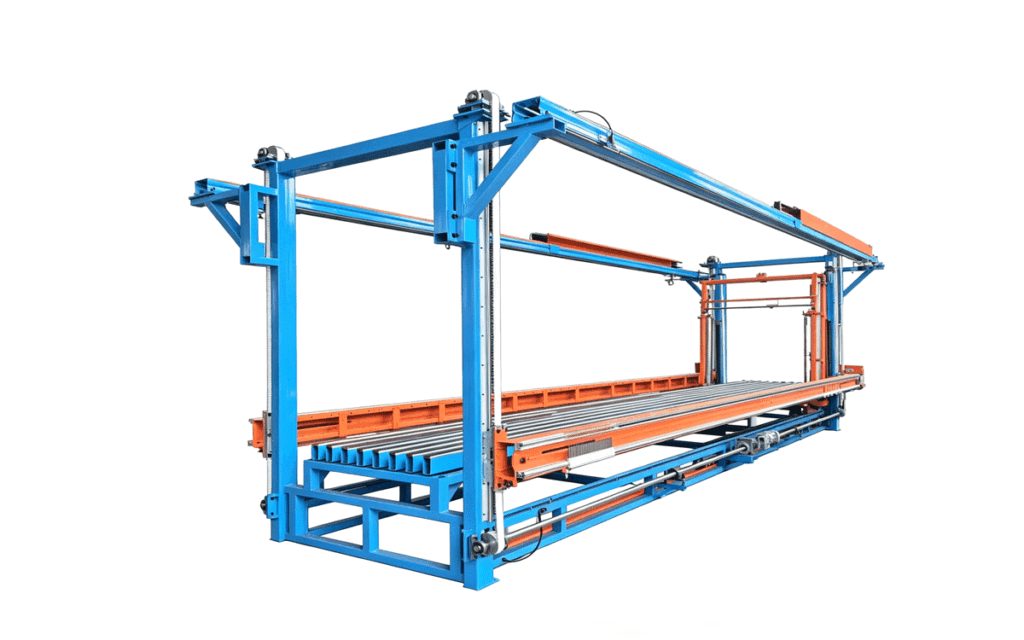
A production line does not stop because a major assembly wears out. It stops because a cheap consumable reached the end of its life and nobody had a replacement on the shelf. If you run an eps cutting machine, the cutting wire alone can idle every station behind it, because no block can be turned into sheets until the wire is back under tension. This guide lists the wear items that matter by machine type, explains which of them stop the whole line, and shows how to build a stocking plan that protects uptime without tying up cash in slow-moving stock. It is written for the person who has to keep a plant running, not for a procurement spreadsheet.
Why wear items decide uptime more than nameplate capacity
Nameplate capacity is a design figure. Uptime is what the plant actually ships. A line can be specified generously and still underperform if it spends part of every week waiting for a courier, because output during a stoppage is zero regardless of how fast the machine is rated. The parts that cause those stoppages are almost always the cheap ones: cutting wire, seals, gaskets, filter elements, steam traps and valve diaphragms. They are cheap precisely because they are designed to be replaced.
The expensive assemblies – frames, moulds, drives, control cabinets – are the ones that rarely need emergency replacement. A storeroom built around big spares and empty of consumables is therefore backwards. It looks impressive on an asset list and protects almost nothing. The useful question is not how much the inventory is worth, but how many unplanned stops it prevents. That framing also makes the plan easier to defend to a finance team, because it ties stock to lost production hours rather than to a purchase price.
There is a second reason wear items deserve attention: they fail progressively. A worn wire produces a poor edge long before it snaps, a clogged filter degrades vacuum before it stops the pump, and a drifting seal shows up as flash on a block before it becomes a leak. Catching that degradation during a planned pause is what separates a five-minute change from a lost shift. A stocking plan is only half the answer; the other half is knowing the failure signs well enough to change the part before it fails in the middle of a run.
Wear items by machine type
The table below is an inspection checklist, not a bill of materials. It fixes the category of part that should be on the shelf for each station, without quoting quantities or prices. Counts depend on how many machines you run and how far you are from your supplier; prices are not something a machine maker can quote for your storeroom. Decide those from your own consumption records.
| Station | Wear items to keep on the shelf | Failure sign | Consequence if missing |
|---|---|---|---|
| Pre-expansion | Steam trap elements, steam strainers, feeder seals, filter elements | Density drift, wet or uneven bead, slow heating | Off-spec density propagates into every downstream block |
| Block moulding | Mould seals and gaskets, steam and vacuum valve diaphragms, ejector wear pads, filter elements | Flash, poor fusion, longer cycle, vacuum not holding | Blocks fail visual check and cannot be cut |
| Cutting (eps cutting machine / cutting line) | Cutting wire, wire tensioners and guides, contactors, linear bearing wipers | Ragged cut edge, bowed sheets, wire snap, thickness drift | No saleable sheet leaves the line |
| Packaging | Film feed rollers, sealing or heater elements, drive belts, sensor lenses | Loose wrap, incomplete seal, film tracking off | Finished board cannot be packed for export |
| Silo and handling | Level sensors, flexible hoses, rotary valve seals, filter socks | Bridging, erratic feed, dust leakage | The whole line starves of bead |
What the table does make explicit is the category. Every row should have something on the shelf before the machine is commissioned, and the failure sign column tells the operator what to log when a change is needed. If your maintenance records already show which parts you replace most often, let those records set the order in which you fill the shelf. If the line is new, start with the line-stopping items in the next section and refine from there.
Downtime risk: which failures stop the whole line
Not every failure has the same blast radius, and a stocking plan should rank parts by that rather than by price. Sort them into three groups.
Line-stopping failures: cutting wire, the pre-expander steam trap, and anything in the bead feed path. If blocks cannot be cut, or bead cannot be expanded, nothing downstream can move and the shift is lost. These deserve the shortest reorder lead time in the whole plan, and they should never be ordered only after the first failure.
Station-stopping failures: a mould seal, a packaging heater element, a drive belt. Upstream stages can keep producing for a while, but work in progress piles up and the queue has to be cleared before the station restarts. These are planned-pause items; they are annoying rather than catastrophic, provided the part is on site.
Quality-degrading failures: a clogged filter element, a worn wire guide, a drifting sensor. The line keeps running and quietly produces off-spec board. These are the most expensive failures in practice, because the loss is discovered after the material has already been cut and packed, and it is often blamed on the EPS cutting machine or the bead rather than on a ten-dollar component. A plant that logs cut-edge quality alongside wire changes will catch these far earlier.
Building a stocking plan in five steps
- List every wear item by station, using the categories above and the machine manuals, and include the consumables that are not obvious from the outside of the machine.
- For each item, record the failure sign and classify it as line-stopping, station-stopping or quality-degrading.
- Rank the list by blast radius first, then by how long a replacement takes to reach your plant. Lead time, not the failure itself, sets the length of the stoppage.
- Keep line-stopping consumables on site at all times, and set review quantities for the rest from your own consumption records rather than a generic vendor schedule.
- Review the list after every unplanned stop and add the part that caused it. A storeroom that never changes is a storeroom that has stopped being useful.
Common mistakes in spare parts planning
- Stocking big assemblies and ignoring a reel of cutting wire. The wire is the item most likely to stop the whole line, and it is one of the cheapest things in the storeroom.
- Buying spares only after the first failure. By then the line is already down, and the wait for a replacement is the cost, not the part.
- Treating all machines as one undifferentiated list. A steam trap on the EPS pre-expander machine and a heater element on the EPS packaging machine for block have completely different blast radii and should not share a reorder priority.
- Letting the storeroom list go stale after a line upgrade or a control retrofit. New machine, new seals, new contactors.
- Measuring the storeroom by its purchase value. A shelf of expensive, slow-moving parts looks good on paper and prevents nothing; count the stops it avoids instead.
Frequently Asked Questions
Which single spare matters most?
Cutting wire on the cutting section. It is both the most frequently replaced item and a line-stopping one, so it belongs at the top of the list for any plant cutting blocks into sheets.
Should we really keep spare steam traps?
Yes, for the pre-expansion and moulding stations. A failing trap usually shows up as density drift or a slow cycle before it shows up as a breakdown, so a spare lets you act during a planned pause.
How do we set quantities without a vendor schedule?
From your own consumption records and your reorder lead time. A machine maker can confirm which part fits your model, but only your maintenance log can tell you how fast you use it.
Do filter elements really affect output?
Indirectly, and significantly. A clogged element degrades vacuum performance and bead quality long before it stops the machine, which is why it belongs in the quality-degrading group.
What belongs in the first order before commissioning?
All line-stopping consumables from the table, plus the seals and gaskets for the specific machines you bought. Everything else can follow once the line has a few weeks of running history.
If you are putting together a first spares order, send us your machine list and the product mix you plan to cut. We can map the wear-item categories to the equipment and flag the line-stopping parts so the shelf is stocked before the first block is made. contact our team to review the list with you.