
How to Get Rid of Large Amounts of Styrofoam?
Getting rid of large amounts of Styrofoam can be difficult because the material is bulky, lightweight, and often expensive to transport. Warehouses, appliance retailers, furniture companies, seafood processors, packaging plants, construction sites, and logistics centers may generate high volumes of foam waste that quickly fill storage areas.
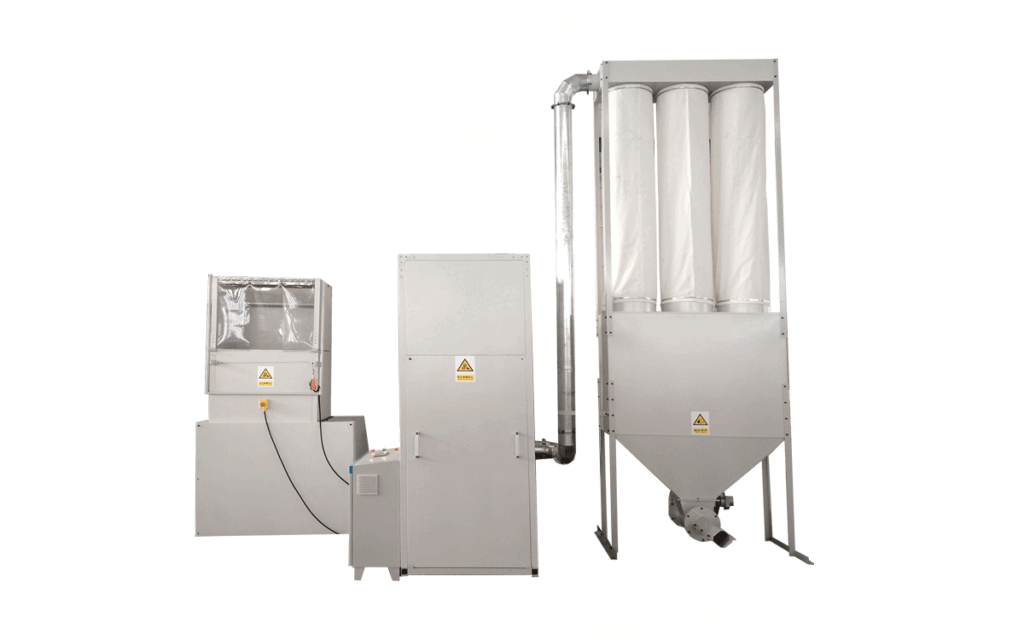
The most practical solution is usually to collect, sort, clean, and reduce the volume of the foam before recycling or disposal. For businesses handling regular foam waste, equipment such as a styrofoam shredder machine, compactor, cold press, or hot melting machine can greatly reduce storage and transportation costs.
Content Content 1 What Is Styrofoam? 2 Why Large Amounts of Styrofoam Are Hard to Dispose Of 3 Step 1: Separate Clean Foam From Contaminated Foam 4 Step 2: Reduce Volume Before Transport 5 Step 3: Use a Styrofoam Shredder Machine 6 Step 4: Consider Compaction or Densification 7 Step 5: Find a Recycling Path 8 What Businesses Should Avoid 9 Industries That Benefit From Foam Recycling Equipment 10 How to Choose the Right Styrofoam Disposal Equipment 11 Benefits of Reducing Styrofoam Volume 12 Conclusion
What Is Styrofoam?
Styrofoam is commonly used as a general name for expanded polystyrene foam, often called EPS. Technically, Styrofoam is a trademarked name, but many people use it to describe white foam packaging, foam boxes, insulation pieces, and protective cushioning materials.
EPS foam is mostly air by volume, which makes it lightweight and excellent for packaging. The same property also makes it hard to manage as waste. A large pile of foam may weigh very little but take up a huge amount of space.
Why Large Amounts of Styrofoam Are Hard to Dispose Of
Styrofoam waste creates several challenges:
It occupies large storage space.
It is easily blown around by wind.
It can break into small particles.
It may be contaminated with tape, labels, food, or dirt.
It is costly to transport without densification.
Some local waste services do not accept it in regular recycling bins.
Landfill disposal may be restricted or expensive in some areas.
Because of these challenges, businesses often need a planned foam waste management process rather than occasional pickup.
Step 1: Separate Clean Foam From Contaminated Foam
The first step is sorting. Clean white EPS packaging is usually easier to recycle than dirty, painted, laminated, or food-contaminated foam.
Separate foam into categories such as:
Clean packaging foam
Food-contact foam boxes
Insulation foam
Colored foam
Foam with labels or tape
Mixed plastic packaging
Contaminated or wet foam
Remove as much tape, paper, plastic film, cardboard, and metal as possible. Cleaner material is easier to process and may have better recycling value.
Step 2: Reduce Volume Before Transport
Because EPS foam is mostly air, transporting it loose is inefficient. Volume reduction is the key to reducing cost.
Common volume reduction methods include:
Shredding
Compacting
Cold pressing
Hot melting
Baling after densification
Bagging crushed foam for collection
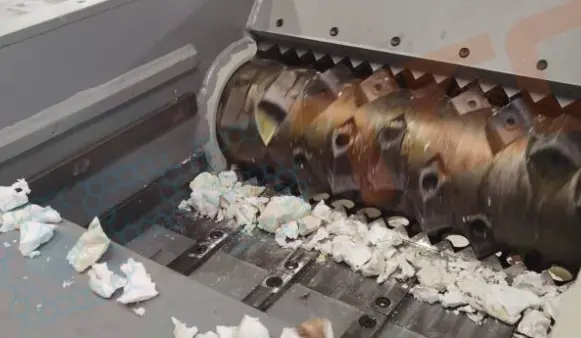
A styrofoam shredder machine breaks foam into smaller pieces, making it easier to feed into compactors, melting machines, or storage bags. Shredding alone reduces handling difficulty, but densification is usually required for stronger volume reduction.
Step 3: Use a Styrofoam Shredder Machine
A styrofoam shredder machine is designed to break large foam pieces into smaller particles or flakes. It can process packaging blocks, foam boxes, protective inserts, insulation offcuts, and other EPS waste.
The shredded material is easier to:
Store
Convey
Feed into densifiers
Mix with other compatible foam waste
Bag for recycling
Transport in reduced form
For facilities with irregular foam shapes, a shredder helps prevent jams and improves feeding efficiency. It is often used as the first stage in an EPS recycling line.
Step 4: Consider Compaction or Densification
For large foam volumes, shredding is usually only part of the solution. Densification can compress foam into blocks, logs, or melted ingots that take up far less space.
Cold Compaction
Cold compactors compress foam without melting it. They use mechanical pressure to push the foam into dense blocks or logs. This method is useful when buyers want compressed EPS that can later be recycled.
Hot Melting
Hot melting machines heat foam and reduce it into dense melted blocks. This method can achieve high volume reduction and may be suitable for facilities with very large foam waste streams.
Screw Densifiers
Screw densifiers crush and compress foam using a rotating screw. They are commonly used in recycling facilities and industrial foam waste management.
Choosing the right equipment depends on waste volume, material condition, available space, labor, energy cost, and recycling destination.
Step 5: Find a Recycling Path
After volume reduction, the foam can be sent to a recycling processor or reused in manufacturing, where suitable. Recycled EPS may be used in plastic pellets, frames, construction materials, molding products, or other plastic applications, depending on material quality.
Before processing foam, confirm what form the recycler accepts. Some recyclers prefer compacted blocks, while others may accept shredded foam, densified logs, or melted ingots.
What Businesses Should Avoid
When handling large amounts of Styrofoam, avoid practices that increase environmental or operational risk.
Do not burn foam waste. Burning can release harmful smoke and pollutants. Do not allow loose foam to scatter outdoors. Small foam particles are difficult to clean up and can enter drains, soil, or waterways.
Avoid mixing clean recyclable EPS with food waste, oil, mud, adhesive, or mixed plastics. Contamination can reduce recycling options and increase disposal cost.
Industries That Benefit From Foam Recycling Equipment
Many businesses can benefit from a dedicated foam disposal and recycling process.
Common examples include:
Appliance warehouses
Furniture stores
Electronics distributors
Seafood processors
Cold chain logistics companies
Packaging manufacturers
Construction material suppliers
Supermarkets
Recycling centers
E-commerce fulfillment centers
Manufacturing plants
For these operations, using a styrofoam shredder machine can improve waste handling efficiency and make downstream recycling easier.
How to Choose the Right Styrofoam Disposal Equipment
Before buying equipment, consider:
Daily or weekly foam volume
Foam size and shape
Cleanliness of the material
Required output form
Available floor space
Labor availability
Power supply
Noise control
Dust control
Maintenance needs
Local recycling requirements
Budget and expected payback period
A small facility may only need a compact shredder and collection bags. A larger operation may require a complete system with crushing, conveying, compacting, and hot melting.
Benefits of Reducing Styrofoam Volume
Proper foam volume reduction can deliver several benefits:
Lower transportation cost
Cleaner storage areas
Reduced landfill use
Better recycling value
Improved workplace organization
Easier waste handling
Less windblown litter
More efficient logistics
Support for sustainability goals
The larger the foam waste stream, the more important these benefits become.
Conclusion
The most effective way to dispose of large amounts of Styrofoam is to sort it, keep it clean, reduce its volume, and send it to an appropriate recycling or waste management facility. Because loose EPS foam is bulky and expensive to move, equipment-based volume reduction is often the most practical approach for businesses.
A styrofoam shredder machine helps break large foam pieces into manageable material and can work with compactors, densifiers, or hot melting systems to reduce storage and transportation demands. With the right process, companies can turn difficult foam waste into a more organized and recyclable material stream.
For EPS recycling equipment and company information, visit EPS Plant.
Post time: 08-04-2026