
Consider the daily struggles of a factory owner in Eastern Europe or Russia. You run a massive cutting line. You produce thousands of construction boards every single day. The hot wires slice through the giant blocks beautifully, but they leave behind endless edge trims. Those edge trims pile up quickly. By noon, you have a mountain of white scrap blocking the forklift aisles. What do you do? You cannot simply ignore it. You call a waste management company, and they charge you an astronomical hauling fee to bring in a giant dumpster. They haul it away, and you watch your hard-earned profits drive right out the factory gates.
This is a terrible tragedy of modern manufacturing. We look at white scrap and see trash. We should see raw profit instead. If you run a manufacturing plant, you know that raw materials are incredibly expensive. Why would you pay a hauling company to take away your absolute most valuable asset? You need to recycle. When you decide to recycle your scrap, you instantly lower your overhead costs. You stop paying tipping fees immediately. You actively protect the planet. It is a perfect win-win situation for any business focused on strict return on investment. This comprehensive guide will show you exactly how to transform your scrap into a steady, reliable revenue stream. You will learn the mechanics, the business logic, and the exact steps to recycle efficiently. Let’s explore how to turn a messy logistical problem into a highly profitable industrial solution.
What Is Polystyrene and Why Must We Recycle It?
Have you ever stopped to wonder how polystyrene is made? This common type of plastic begins its life as tiny, hard beads derived from natural oil and petroleum. Through a clever industrial process utilizing steam and a specialized mold, these tiny beads expand massively. They can grow up to 40 times their original, tiny size. This magical expansion creates expanded polystyrene, which is known across the global manufacturing industry simply as eps.
Because this cellular structure is literally 98% trapped air, it serves as an incredibly lightweight product. It is used globally for everything from hot food service containers to thick impact boards protecting delicate electronics. However, this same brilliant trait makes it a total nightmare for any municipal landfill. Because it is so unbelievably bulky, it fills up giant trash pits instantly. Worse, it takes thousands of years to break down naturally because it is completely synthetic and not biodegradable. We must recycle this vital resource. If we do not recycle our scrap, we contribute to massive global pollution. When you recycle, you keep the environment incredibly clean and your corporate conscience clear.
How Do You Handle and Dispose of Scrap Properly Without a Dumpster?
Many frustrated business managers constantly ask how to handle bulky white scrap without going bankrupt. You simply cannot throw it into a normal trash bin. Regular fleet collection trucks absolutely hate it. It takes up far too much volume inside their compactors. When you attempt to stuff it into a standard steel container, you are basically paying a huge sum of money just to transport empty air.
Instead of treating it like useless garbage, you must focus entirely on styrofoam recycling. When you actively recycle every single day, you successfully avoid those insanely high tipping fees at the local dump. Some progressive municipal systems actually offer a highly specific drop-off location just for this airy material. You might be very lucky to operate a business near one. If you do, you should recycle your scrap there. But for a large B2B factory, you urgently need an in-house solution to recycle on a massive, industrial scale.
Is Recycling Expanded Polystyrene a Viable Business Model?
Yes, it is an incredibly profitable endeavor. When you manage a heavy industrial factory producing rigid insulation panels or custom protective packaging, you always generate off-cuts. Throwing away these valuable off-cuts is exactly like throwing crisp dollar bills directly into a fire. You must recycle them instead. In the competitive construction materials market, margins are extremely tight. Steam costs are high. Electricity is expensive. You simply cannot afford any loss.
By using eps scrap intelligently, you rapidly and dramatically reduce your raw material purchasing costs. A modern, highly efficient factory will automatically reprocess this floor scrap using a dedicated crushing line. They grind it up meticulously and blend it right back into the fresh, virgin beads inside the block molding equipment. This makes it a highly viable strategy for massive financial growth. You completely stop paying a third party to haul away your scrap. Instead, you recycle it to build a stronger, richer company. Every time you recycle, your profit margin grows wider, and your factory becomes infinitely more self-sustaining.
Why Cannot I Put Foam in My Normal Curbside Cart?
Average homeowners frequently wonder why their city recycling program flatly refuses to accept styrofoam in the normal curbside pickup. The core reason boils down to pure, simple economics. The collection trucks fill up entirely too fast with this giant, bulky stuff. They would have to drive back to the depot ten times a day just to empty the truck.
Furthermore, standard recycling facilities sort mixed items using fast optical scanners, heavy spinning gears, and fast conveyor belts. A fragile, thin piece of packaging will instantly shatter into millions of tiny, statically charged beads. These annoying beads stick to absolutely everything. They ruin glass sorting lines and severely contaminate the wet cardboard bales. Therefore, city managers flatly refuse to accept it mixed with normal household items. You always have to drive it over to a specialized centre to recycle it properly. You must recycle it the right way, or the entire sorting system breaks down.
What Types of Foam Packaging Are Actually Recyclable?
You might be highly surprised to discover that almost all rigid polystyrene products are technically completely recyclable. This broad category includes the thick molded inserts protecting your brand-new television, the thin white tray resting under your supermarket meat, and even those standard, everyday egg cartons. You can recycle all of these easily.
However, soft items like foam cups or greasy single-use clamshells are very tricky. Food packaging almost always has heavy grease, sticky sauce, or baked-on food residue all over it. A dedicated commercial recycler cannot process dirty, contaminated items. The burned oil completely ruins the final extruded pellet. To process this successfully, the item absolutely must be spotless and completely free of tape. You must never leave paper adhesive labels attached to the pieces. If it is clean, you can recycle it easily. If it is dirty, you cannot recycle it at all.
How Do Recycling Companies Compress the Waste?
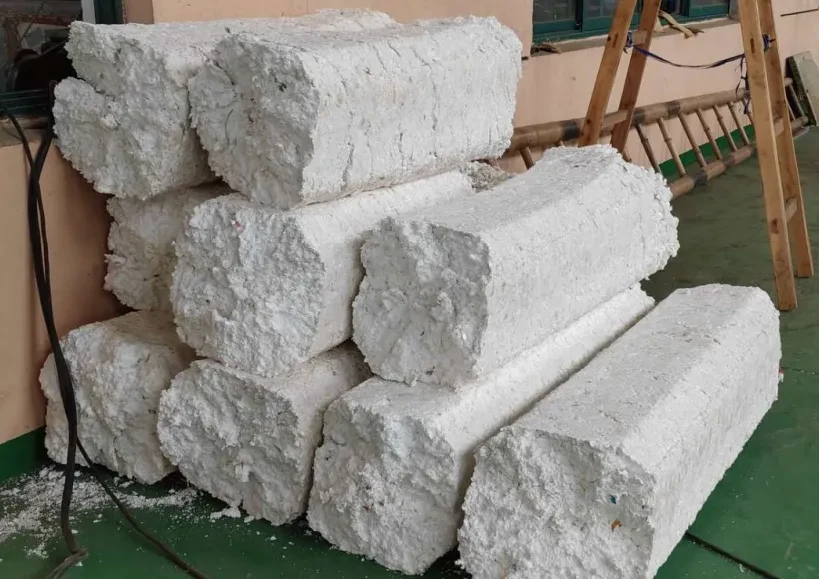
Because this airy plastic is mostly empty space, the single biggest physical challenge is transport. To move it across the country efficiently, smart recycling companies must forcefully remove the trapped air first. They rely heavily on massive steel equipment to compress the huge, snowy blocks. They recycle the air right out of it.
A heavily built compactor uses extreme hydraulic pressure to literally squeeze the empty space away. It creates incredibly dense, heavy logs. World-class brands like greenmax manufacture amazing heavy-duty densifiers designed for this exact tough job. Alternatively, some setups use intense thermal heat to gently melt the scrap down into rock-solid, heavy ingots. This massive volume reduction makes bulk storage and cross-country shipping extremely cost-effective. When you recycle smartly, logistics become incredibly cheap. Utilizingour heavy-duty compactor unit handles this step flawlessly, allowing you to recycle tons of volume daily.
What Is the Difference Between Mechanical and Chemical Processing?
There are two totally different paths to handle this substance. Mechanical methods simply take the rigid polystyrene foam and physically grind it down into a light fluff. This fluff is then heated, pushed through a die, and chopped into a tiny solid pellet. This remains the absolute most popular and highly efficient way to manage bulk eps recycling. We recycle millions of tons this way globally every year.
On the very cutting edge of science, chemical recycling completely breaks the long polymer chains back down to their original, base molecular level. This incredibly advanced chemical approach can literally turn decades-old polystyrene waste right back into pure, virgin liquid styrene oil. Massive, wealthy corporations like dupont have historically spent billions on advanced material sciences to make innovations like this a reality. While expensive today, it represents the bright future of how we will recycle.

How Does a Modern Crushing Unit Actually Work?
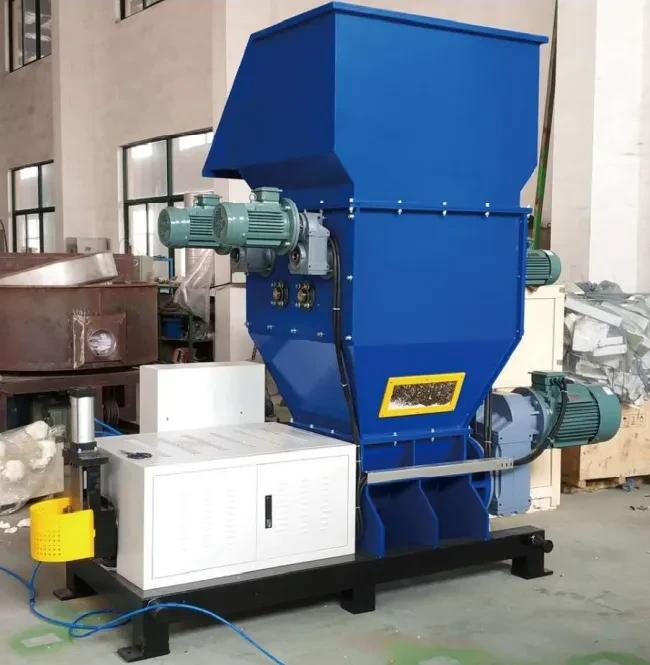
If you proudly manage a sprawling, high-volume facility, investing in an integrated recycling machine is a monumental game-changer for your bottom line. These tough, steel-forged units first smash the giant chunks into much smaller, manageable flakes. We usually call this the primary crushing phase. You must crush before you can recycle.
Next, the heavy equipment utilizes either a thick steel auger screw to brutally compact the flakes, or it uses a thermal heater to melt them. This amazing process magically turns a giant, messy mountain of loose packing peanuts and shattered eps packaging into a very small, incredibly heavy block. This block is highly prized and easily sold for cash on the global commodities market. By utilizing our thermal melting equipment, you recycle bulky trash into a highly sellable product. You recycle your way to significantly higher profits.
Can We Make New Products From Recovered Scrap?
Absolutely! The crushed and melted recycled eps is a highly sought-after, valuable global commodity. It rarely goes back into making a cheap, fragile cup. Instead, it is brilliantly transformed into tough, long-lasting durable goods. You recycle it to give it a permanent, useful life.
Smart manufacturers eagerly buy these densified logs and use them for a totally different, permanent application. They inject the melted plastic into molds to create beautiful faux-wood picture frames, architectural crown molding, sturdy park benches, and strong school desk rulers. By firmly choosing to recycle foam, you directly and actively contribute to a sustainable, circular economy. You ensure that petroleum materials remain totally reusable and are kept far away from our delicate oceans. We must recycle to build a better world. Every time we recycle, we save precious natural resources.
What Are the Steps for an Environmentally Friendly Factory Setup?
When an ambitious manufacturing facility finally decides to adopt truly environmentally friendly operational practices, they see immediate, tangible financial returns. Finding a reliable outside vendor who will consistently accept polystyrene scrap used to be incredibly difficult and expensive. Now, you can easily process it all completely in-house. You just recycle it yourself.
Our advanced foam recycling equipment allows you to grind your own daily factory scrap right on the production floor. You then seamlessly mix it with fresh, unexpanded beads to mold brand-new, perfect foam blocks. This is exactly how you handle shipping packing materials and daily production scrap the smart, modern way. You recycle to save on massive hauling fees. You recycle to drastically lower your monthly raw material purchasing costs. You recycle to proudly promote a truly green, responsible public image. For the absolute best integration, pair your recovery setup with ouradvanced shape molding equipment.
The Global Impact When We Recycle Consistently
When we make the firm decision to recycle, we do so much more than just sweep up a dusty warehouse floor. We actively and passionately protect the globe. The broader movement for polystyrene recycling is gaining massive, unstoppable traction worldwide. Powerful governments are finally realizing that this useful plastic does not have to be a permanent, toxic nuisance. We can recycle our way out of this global mess.
In many progressive European nations, you absolutely must recycle your commercial waste by strict law. If you negligently fail to recycle, you face crippling, business-ending fines. This firm legal shift toward mandatory eps recovery is pushing mechanical technology rapidly forward. Every single time you successfully recycle a giant piece of foam, you directly conserve the valuable underground petroleum that would have otherwise been drilled to create virgin plastic. We absolutely must all recycle to ensure a healthy, sustainable future for our children. If we stubbornly refuse to recycle, our beautiful oceans and forests will suffer immensely.
Step-by-Step Guide for Businesses to Recover Scrap
If you genuinely want to start a robust recovery program within your busy manufacturing business, follow these simple, proven steps. First, aggressively designate a specific, highly visible area for all foam collection. Do not ever mix it with the regular lunchroom garbage. You absolutely must handle it completely separately to maintain purity.
When your staff throws styrofoam away, they are literally throwing away your margin. A proper eps recovery system requires extreme dedication. You need large bins to hold the airy material before it goes into the crusher. The sheer volume of waste generated by a standard cutting line is staggering. Without a heavy compactor, your factory floor will quickly drown in polystyrene.
Second, thoroughly educate your hardworking staff. They desperately need to understand exactly why they must save it and how to properly identify the correct type. Third, wisely invest in the absolute best densification equipment from a highly trusted supplier likeour integrated EPS crushing and de-dusting system. By executing this smart plan, you turn annoying packaging scrap into dense plastic ingots. You will operate highly efficiently and generate a wonderful, steady stream of secondary revenue from the heavy logs. This is the ultimate goal of true recovery. It makes incredible, undeniable financial sense to process your own scrap.
Important Things to Remember About Processing Scrap
- It is Highly Profitable: Do not pay hauling companies to throw it away. Densify it internally and sell the heavy plastic logs on the open global market.
- Volume is the Enemy: Styrofoam is 98% air. You must use a mechanical compactor or thermal melter to remove the air and make the material cheap to ship.
- Keep It Clean: Only clean, tape-free packaging can be processed. Dirty food containers completely ruin the final extruded product.
- Re-use In-House: If you run an eps factory, grind your floor scrap and mix it with virgin beads to drastically lower your daily raw material costs.
- Protect the Environment: Keeping this bulky waste out of the local landfill protects our oceans and actively reduces global carbon emissions.
- Invest in Good Equipment: A heavy-duty, robust crusher and compactor from a reliable manufacturer guarantees a massive return on investment for decades to come.
Post time: 03-13-2026