Master the Plastic Recycling Machine: Your Guide to Styrofoam, EPS, and Foam Recycle Equipment
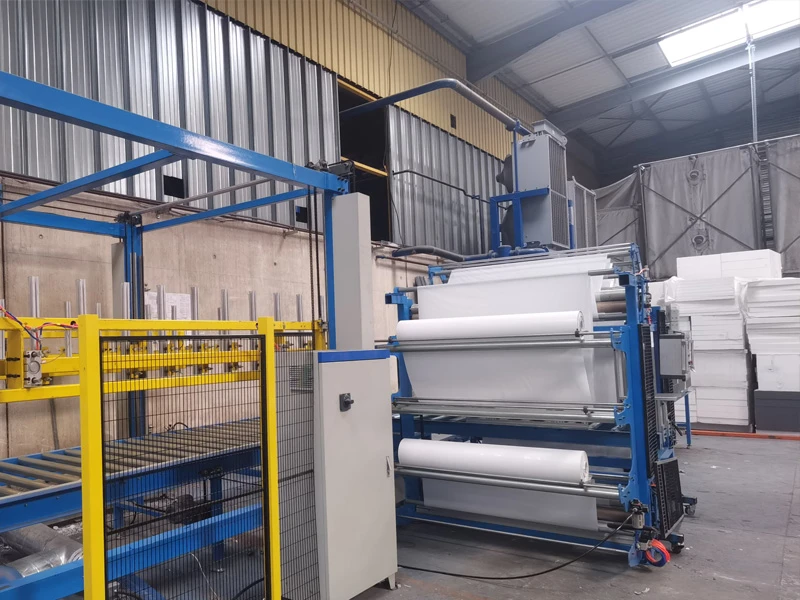
If you look closely at any modern manufacturing plant, you will see a hidden goldmine. That goldmine is trash. Exploring how to properly manage waste is no longer just a green idea. It is a strict financial necessity. Understanding how to use a high-quality plastic recycling machine can completely change your factory’s profit margins. This guide will explore everything from standard pricing to advanced machinery specs. You will discover exactly why transforming plastic waste is the smartest business move you can make today.
Content Content 1 Why Should You Invest in a Plastic Recycling Machine? 2 How Does a Styrofoam Densifier Differ from a Foam Compactor? 3 What Affects the Plastic Recycling Machine Price in Today’s Market? 4 Can an EPS Recycling Machine Actually Melt Foam for Reuse? 5 How Does a Complete Recycling Line Improve Processing? 6 What Is the Role of a Shredder and Granulator in the Recycling Line? 7 Why Are Washing Systems Crucial for PET Bottles and Rigid Plastics? 8 How Do Pelletizer and Dewatering Steps Prepare the Final Pellet? 9 Are Fully Automated Machines Better for a Small-Scale Recycling Project? 10 What Factors Determine the Overall Plastic Recycling Machine Cost? 11 Important Things to Remember
Why Should You Invest in a Plastic Recycling Machine?
Every single day, factories generate a huge amount of scrap. Businesses looking to grow must find smart ways to deal with this problem. If you simply throw away your plastic waste, you are quite literally throwing cash into the garbage. When you decide to invest in proper recycling equipment, you instantly stop this terrible financial leak. You take control of your own trash.
Why should you recycle? The answer is simple. To recycle means to create new value. When we recycle our daily scraps, we drastically reduce our disposal fees. Instead of paying a truck to haul away your trash, a good recycling machine turns that trash into raw material. You can then reuse this material in your own manufacturing process. Or, you can sell it to other companies for a solid profit. It is a complete win-win situation.
You must remember that you can recycle almost anything. You can recycle dirty cups, broken packaging, and bad factory runs. When you recycle consistently, your business becomes highly efficient. Plastic recycling is not a passing trend. It is the solid future of the global plastic industry. If you want to survive, you absolutely must learn how to recycle properly.
How Does a Styrofoam Densifier Differ from a Foam Compactor?
Many people get very confused when they hear the words styrofoam densifier and foam compactor. They sound like the same piece of equipment, but they act completely differently. Both machines help you recycle, but their internal mechanics are unique. Let us look closely at how they handle soft styrofoam.
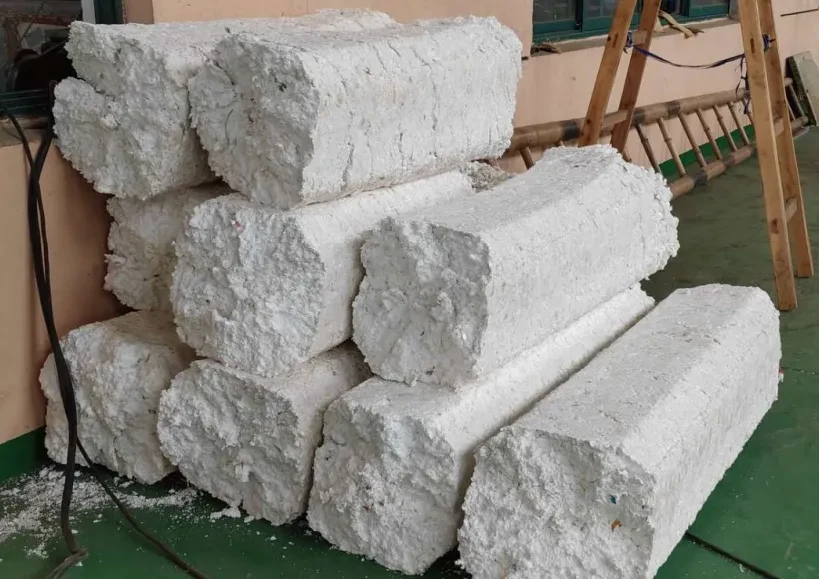
A standard cold compactor uses raw physical force. It takes a huge pile of fluffy foam and uses heavy hydraulic rams to forcefully compress it. It pushes all the trapped air out. This gives you a very high compression ratio. The machine creates a tight, heavy block of eps foam without using any heat at all. This is perfect if you want to keep the styrofoam recycling process completely clean and free of bad smells.
On the other hand, a foam densifier uses intense heat. It acts almost like an oven. The styrofoam densifier takes the foam, chops it up, and applies high heat to melt the material down. It turns the white styrofoam into a thick, hot liquid paste. When this paste cools, it becomes a hard, heavy rock. This rock is incredibly dense. Both machines belong in a strong EPS Compactor Machine lineup, but your choice depends entirely on your factory rules and local environmental laws.
What Affects the Plastic Recycling Machine Price in Today’s Market?
Money is always the biggest question. How much does all this cost? The actual plastic recycling machine price depends on many different things. You cannot simply look at a catalog and expect one flat number. The final pricing will always differ based on your exact needs.
First, the machine type matters a lot. A simple, small grinder is cheap. A massive, fully automated line with smart computer screens has a much higher cost. The total automation level will directly affect what you pay. If you want a machine that runs itself with zero labor, you will pay more up front. However, you will save huge amounts of money on wages later.
Second, the brand changes the price. A highly well-known European brand will always charge a massive premium. For example, a brand like GreenMax is famous, and you pay extra for that name. But you do not always need to pay a huge premium. Many smart factory owners buy from a reliable manufacturer in China. The market price is much lower, but the heavy steel quality is just as good. The cost varies wildly, so you must shop carefully.
“To recycle is to print your own money. The machine pays for itself when you recycle every single day.” – Factory Operations Expert
Can an EPS Recycling Machine Actually Melt Foam for Reuse?
Yes, it absolutely can. An eps recycling machine is a true marvel of modern engineering. When you deal with Expanded Polystyrene (EPS), you are dealing with a material that is 98% air. To recycle it effectively, you have to get rid of that air.
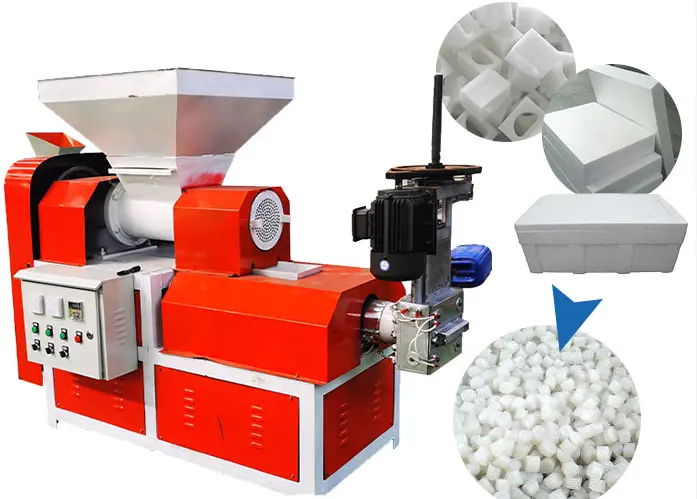
When you use a hot melting machine, it uses strong electrical heaters. You throw the broken eps into the hopper. The machine’s heavy screw pushes the material into a hot barrel. Here, the machine will actively melt the polystyrene. It turns from a light, fluffy cup into a hot, sticky syrup. This specific foam recycling method is incredibly popular because it shrinks the trash down so much.
Once the hot syrup comes out, it cools down into a heavy solid. You can easily stack these solids on a simple wooden pallet. The truck can carry fifty times more weight this way. You safely deliver these heavy blocks to a factory that makes plastic picture frames or park benches. They recycle your waste into beautiful new items.
If you want to see a powerful system in action, look at our EPS Recycling Machine setup. It perfectly handles all your daily scrap.
How Does a Complete Recycling Line Improve Processing?
Buying one single machine is a good start. But if you want massive success, you need complete recycling lines. A full recycling line is a connected system of machines working together like a smart team. It completely changes your factory floor.
When you connect the machines, you improve the whole flow. You do not have to move the trash by hand. A conveyor belt moves the plastic from the crusher straight to the washer. This smooth processing means you get much more work done in one day. High efficiency is the secret to making big money in this tough business.
A full recycling line also gives you better energy efficiency. The machines share power smartly. A good recycling project uses an integrated electrical cabinet to control everything at once. This means you do not waste expensive electricity. If you want to expand your business, you must think about the whole line, not just one lonely machine.
What Is the Role of a Shredder and Granulator in the Recycling Line?
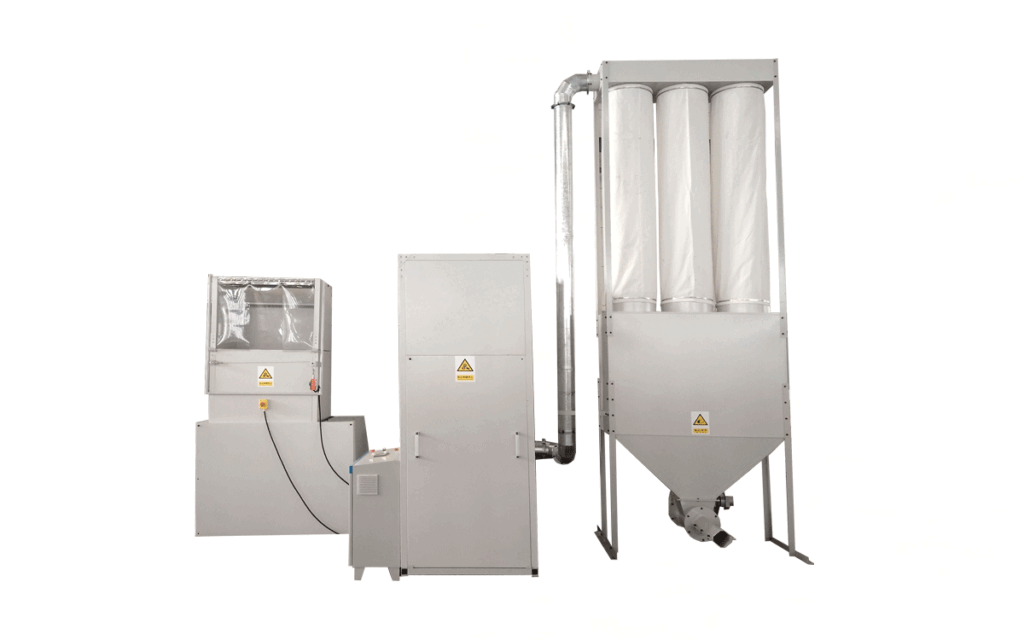
Before you can wash or melt anything, you must make it small. You cannot throw a whole car bumper into a heater. You need a powerful plastic shredder. The shredder is the tough guy of the factory. It has massive steel teeth that slowly and violently rip huge pieces of plastic into smaller chunks.
After the shredder does the heavy lifting, the material goes to the granulator. The granulator spins very fast. It cuts the chunks into tiny, perfect little flakes. A good granulator is extremely loud but incredibly effective. It ensures that every piece of plastic is the exact same size. This strict specification is very important for the next steps.
When you recycle, the size of your material matters. If you have big chunks and small flakes mixed together, they will melt badly. The shredder and the granulator work together to create a smooth, even flow of material. Whether you recycle heavy pipes or thin films, you absolutely need these sharp cutting tools to do the job right.
Why Are Washing Systems Crucial for PET Bottles and Rigid Plastics?
You cannot recycle dirty plastic. It is a simple rule. If you try to recycle a dirty soda bottle, the final product will be dark, weak, and totally useless. This is exactly why strong washing systems are the heart of a good plant.
When you deal with materials like pet, hdpe, ldpe, and pp, they come from the trash covered in dirt, sticky glue, and old food. A plastic bottle needs a serious bath. A full washing line uses hot water, strong chemicals, and fierce friction to scrub the plastic totally clean. It acts like a giant, angry washing machine.
The plastic washing process is especially critical for pet bottles. When you recycle them, you create clean pet flakes. These flakes must be perfectly pure. If there is even a tiny bit of paper label left on the pet, it will ruin the whole batch. Rigid plastics like hdpe milk jugs also need heavy scrubbing. If you want a high-performance final product, you cannot skip the wash. You must wash it well before you recycle it.
How Do Pelletizer and Dewatering Steps Prepare the Final Pellet?
After the plastic is perfectly clean, it is totally soaking wet. You cannot melt wet plastic. The water will boil, create steam bubbles, and ruin the plastic completely. Therefore, you must quickly remove all the water.
First, the wet flakes go into a dewatering machine. This machine spins incredibly fast, just like the spin cycle on your home laundry machine. It throws the heavy water out using strong centrifugal force. Then, the flakes pass through a hot air dryer. The dryer completely removes any hidden moisture. Now, the plastic is totally dry and ready.
Finally, the dry flakes enter the pelletizer. The pelletizer is a special extruder. It carefully melts the clean flakes and pushes the liquid plastic through tiny holes, like spaghetti. A spinning knife cuts the spaghetti into tiny, perfect beads. These beads are the final pellet.
The pellet is the ultimate goal. When you recycle dirty trash, you magically turn it into a beautiful, shiny pellet. You can sell this pellet to a toy factory or a car parts maker. They will use your pellet just like brand new plastic.
Are Fully Automated Machines Better for a Small-Scale Recycling Project?
Many beginners ask if they should buy a simple manual machine or a smart automatic one. If you have a small-scale operation, you might think a manual setup is safer. It is definitely cheaper to buy at first. But is it really better?
In the modern world, a fully automated machine is almost always the smarter choice. Yes, the starting purchase price is higher. But human labor is very expensive and very slow. A human gets tired. A human makes careless mistakes. A computer does not.
When you use a smart machine, you simply press a button. The machine watches the temperature, controls the speed, and checks for problems. It runs all day and all night. Even for a small-scale business, the ability to recycle continuously without hiring ten extra workers is amazing. It allows you to focus on finding more customers instead of babysitting a loud machine. If you want a smooth, trouble-free recycling project, always choose automation.
If your factory also produces blocks, an automated system like our Horizontal EPS Block Machine shows how smart controls make life infinitely easier.
What Factors Determine the Overall Plastic Recycling Machine Cost?
Let us finally talk about the total bill. The true plastic recycling machine cost is more than just the sticker price. You have to think like a smart business owner.
First, the fluctuation of steel prices changes the cost. Machines are made of heavy metal. When global metal prices go up, the machine costs more. Second, you must think about heavy logistics. Shipping a massive machine across the ocean is not cheap. The cost to deliver the equipment safely to your factory floor is a big factor.
Furthermore, you must consider the exact machine type. If you want a machine that can only recycle like pet, it is one price. If you want a machine that can also recycle dirty agricultural film and heavy styrofoam, it requires special upgrades.
Finally, you should always buy from a trusted manufacturer who can truly specialize in your needs. A good supplier will help you plan the layout, install the massive cables, and train your workers. They give you a true turnkey solution.
If you are packing finished blocks or recycled goods, consider adding a Fast & Tight EPS Packing Machine to your final layout to complete your shipping logistics perfectly.
Important Things to Remember
You Must Recycle: Taking the time to recycle your factory waste eliminates heavy disposal fees and completely creates a brand new, highly profitable revenue stream.
Know Your Densifiers: A cold compactor squeezes out air cleanly, while a hot styrofoam densifier actively melts the material into heavy, solid rocks.
Washing is Mandatory: For items like pet bottles and hdpe, advanced washing systems are totally crucial to remove bad dirt and produce a premium, sellable pellet.
Automation Wins: Investing deeply in fully automated machinery drastically cuts your daily labor costs and greatly improves your daily factory efficiency.
Think About Logistics: The final plastic recycling machine cost always includes heavy global shipping, installation, and long-term training from your chosen manufacturer.
Complete Lines are Better: Connecting your shredder, granulator, and pelletizer into one single recycling line creates a smooth, highly profitable factory flow.
Post time: 06-30-2026