
Have you ever tried to slice through a block of white packing foam with a dull blade? If you have, you know the struggle. The screeching sound is enough to set your teeth on edge, and the result is usually a snowstorm of tiny white beads clinging to your clothes, your hands, and your furniture. It is a huge mess. But it doesn’t have to be that way. Whether you are a hobbyist building a model terrain, a homeowner insulating a garage, or a factory manager looking for efficiency, finding the best way to cut foam is essential.
I have spent years in the manufacturing industry, specifically with machinery that processes Expanded Polystyrene (EPS). I have seen everything from massive industrial lines to simple hand tools. The truth is, there is no single "perfect" tool for every job. The way to cut styrofoam depends entirely on the thickness of the material, the precision you need, and how much clean-up you are willing to do.
In this guide, we will explore the easiest and most effective methods to cut polystyrene. We will look at why a hotwire might be your best friend, when to use a simple knife, and how to handle toxic fumes safely. Let’s dive in and turn that jagged mess into a smooth, professional edge.
Why is Polystyrene So Hard to Cut Cleanly?
Before we pick up a tool, we need to understand the material. Polystyrene, specifically EPS, is made of thousands of tiny, air-filled beads fused together. When you try to cut it with a dull or thick blade, you aren’t actually slicing the material; you are tearing those beads apart. This friction creates static electricity, which is why the debris sticks to everything.
XPS (Extruded Polystyrene), often seen as pink or blue insulation board, is much denser. It doesn’t crumble like the white stuff, but it can still be tricky to cut straight without the right technique. The key to a clean edge is reducing friction. You want a tool that glides through the foam, not one that drags.
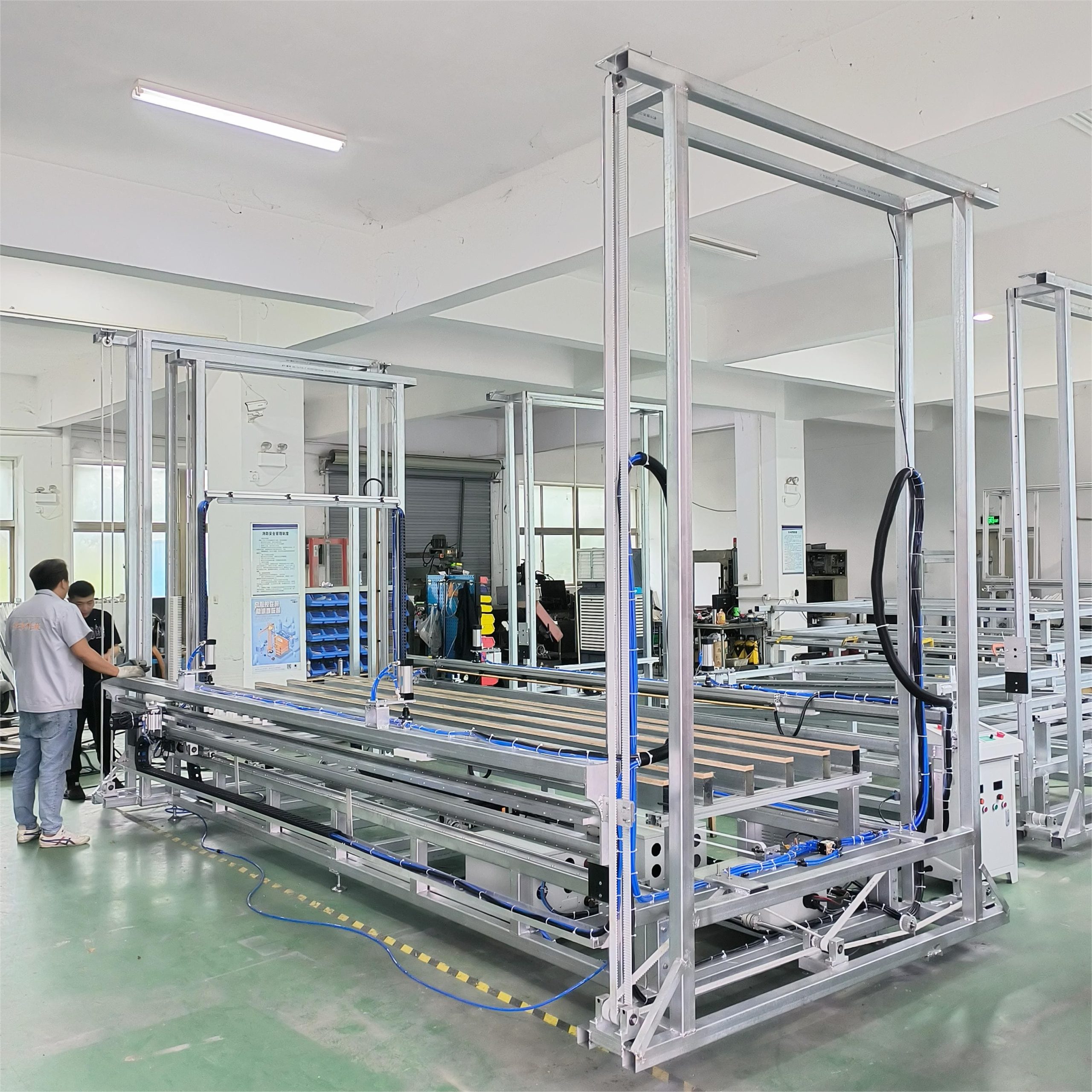
If you browse any hobby forum, you will see people debating the best method. Some swear by serrated blades; others won’t touch anything but a hot wire cutter. The reality is that both have their place. If you are doing rough construction work, a saw is fine. If you are making a delicate architectural model, you need heat.
Can You Use a Simple Knife or Box Cutter?
Yes, you can use a knife, but there is a trick to it. A standard utility knife or box cutter is the most accessible option for most people. However, if the blade is dull, it will snag.
To cut thin sheets of styrofoam (under an inch thick), use a fresh, razor-sharp blade. Don’t try to force the knife through in one pass. Instead, score the surface deeply, then snap the foam along the line, just like you would with drywall. This works reasonably well for straight lines on flat sheets.
For thicker blocks, a short blade won’t reach all the way through. If you try to saw back and forth with a smooth blade, the friction creates heat, which makes the plastic gummy. A great "life hack" is to lubricate your blade. Rub the metal with a bit of candle wax or even dip it in water. This helps the metal slide through the dense foam without grabbing the beads.
If you need to make a long, straight cut using a knife, always use a metal ruler as a guide. Hold the blade at a low angle to the surface to slice rather than push.
Is a Hot Wire Cutter the Best Way to Cut?
In my professional opinion, yes. The hot wire cutter is the gold standard for working with EPS and XPS. It is practically magic. Instead of physically severing the material, the electrically heated wire melts a thin path through the foam.
The wire vaporizes the polystyrene just before it touches it. This means there is zero physical resistance. You can guide the hot wire through the foam like a hot knife through butter. The result is a perfectly smooth, sealed edge. The heat cauterizes the beads, preventing them from flaking off later.
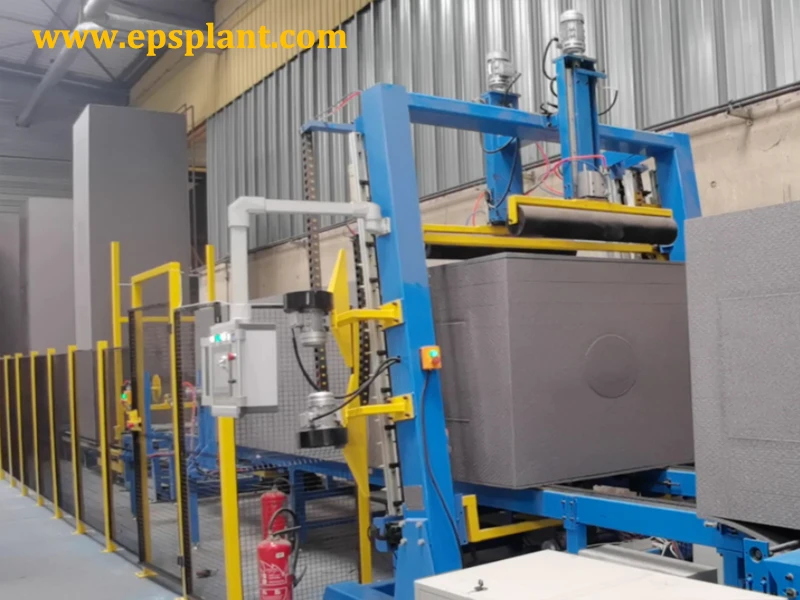
For hobbyists, you can buy a handheld hotwire cutter that looks like a small bow. It operates on batteries or a low-voltage plug. It is ideal for carving organic shapes, mountains for train sets, or custom packaging inserts. If you need perfectly straight cuts, you can build or buy a table cutter with a fixed vertical wire.
The hot wire method is also the cleanest. There is no dust. No static beads. Just a clean cut. However, you must be careful. The wire gets extremely hot, and melting plastic releases fumes. Always do this in a well-ventilated area or outdoors.
How Effective is a Serrated Knife or Hand Saw?
Sometimes, you don’t need pretty; you just need it done. If you are breaking down large blocks of packing foam for the trash, or fitting insulation board inside a wall where no one will see the edges, a hand saw or a serrated knife is a fast and cheap solution.
A bread knife from your kitchen (one you don’t plan to use for food again) works surprisingly well. The teeth of the serrated blade act like a mini saw, ripping through the material. Unlike a smooth blade, the teeth grab the foam and remove material as they cut, which prevents the blade from getting stuck.
However, this method is messy. It will produce a lot of "snow." If you use a hand saw, choose one with fine teeth. A hacksaw is better than a wood saw because the finer teeth tear the foam less. If you use a coarse wood saw, you will likely rip chunks out of the foam rather than cutting it.
This method leaves a rough, fuzzy surface. If you plan to paint or finish the foam later, you will need to sand it down or cover it with a filler.
Can You Use Power Tools like a Jigsaw?
You might be tempted to use electric power tools like a jigsaw, bandsaw, or table saw. These are powerful, but they come with risks.
A jigsaw with a metal-cutting blade can cut curves in styrofoam, but the vibration can cause thin sheets to crack. A bandsaw is excellent for thick blocks and is often used in professional shops for cutting curves that a hot wire can’t handle (like inside cuts).

The biggest issue with electric tools is speed. The high-speed friction generates heat. If you move too slowly, the blade will melt the plastic, and the plastic will re-fuse behind the blade, trapping it. If you move too fast, you might break the foam.
Also, the dust generated by a table saw is incredibly fine and static-charged. It will stick to your skin, your clothes, and the walls. It is very hard to clean up. If you use these tools, wear a mask to avoid inhaling micro-particles.
How Do You Cut a Hole or Interior Shape?
Cutting a clean hole in the middle of a foam sheet is tricky. If you use a knife, you have to stab and saw, which looks ugly.
For small holes, a drill with a regular bit often tears the foam. A better option is to use a metal tube (like a piece of copper pipe) heated over a flame. Press the hot metal ring into the foam, and it will melt a perfect circle instantly. This works great for running wires through insulation.
For larger, irregular interior shapes, a hot knife is your best bet. This tool looks like a soldering iron with a long, flat blade. You can plunge it directly into the center of the sheet and start carving. It seals the edges as it goes, leaving a smooth finish.
If you have a Dremel or rotary tool, you can use a routing bit to carve out recesses or holes. This is very effective for sinking items into a foam display case, but again, it creates a lot of dust.
What is the Best Recommendation for Industrial Needs?
If you are looking to cut styrofoam on a commercial scale, manual tools won’t cut it—pun intended. You need consistency and speed. This is where automated machinery shines.
Our Best Sale EPS Cutting Line utilizes advanced hotwire technology on a massive scale. These machines can take a huge block of molded EPS—fresh from a Horizontal EPS Block Machine—and slice it into hundreds of perfectly uniform sheets in minutes.
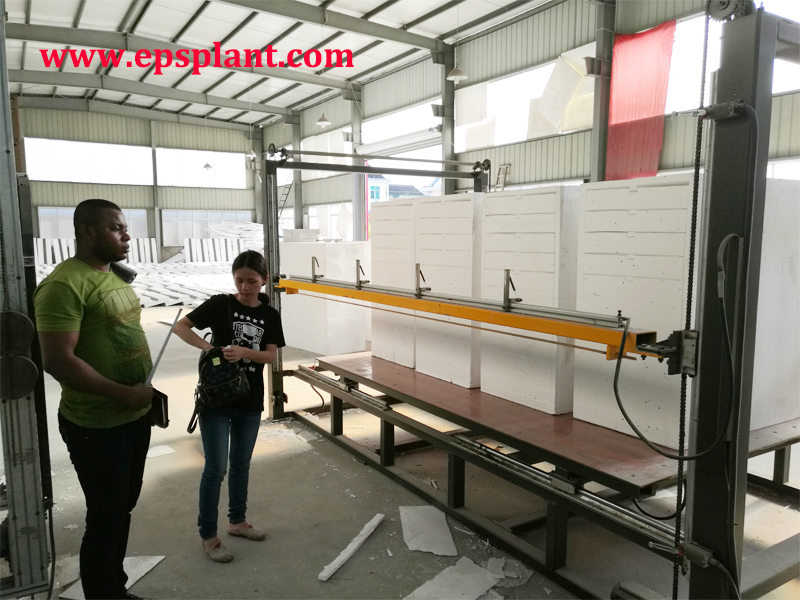
The advantage of a machine like this is precision. The wires are tensioned and computer-controlled, ensuring that every sheet is exactly the same thickness. There is no waste from "saw kerf" (the material removed by a blade), which saves a tremendous amount of raw material over time. Plus, the automated process handles the fumes and waste collection, keeping the factory environment safe.
How to Handle Safety and Fumes?
We touched on this, but it bears repeating. When you melt polystyrene, you are releasing chemicals. While cutting a small piece for a school project isn’t likely to harm you, breathing these fumes for hours is a bad idea. They can irritate your throat and eyes.
Always work in a well-ventilated space. If you are doing a lot of hotwire cutting, set up a fan to blow the smoke away from your face.
Also, be aware of flammability. Styrofoam is essentially solid petroleum. It burns very well. When using hot wire tools or a hot knife, never leave the hot tool resting on the foam. It can ignite. Keep a fire extinguisher nearby just in case.
Summary: Which Method Should You Choose?
So, what is the verdict? The best way to cut depends on your specific goal.
- For Straight Cuts on Thin Sheets: Use a sharp utility knife and a metal ruler. Score and snap.
- For Thick Blocks or Insulation: A hand saw or bread knife is fast but messy.
- For Precision and Curves: A hot wire cutter is the professional’s choice. It provides a smooth, sealed edge and no dust.
- For Interior Holes: Use a heated metal tube or a hot knife.
- For Industrial Production: Invest in a CNC hotwire machine for maximum efficiency.
Remember, no matter how carefully you cut, you might end up with scraps. Don’t throw them in the landfill! Polystyrene is 100% recyclable. In industrial settings, we use an EPS Recycling Machine to crush the waste and turn it back into new products. Even at home, try to minimize waste by planning your cuts carefully.
Key Takeaways
- Sharpness Matters: If using a blade, ensure it is razor-sharp to avoid tearing.
- Heat is Cleanest: Hot wire tools melt the foam, preventing crumbling and static mess.
- Lubricate Blades: Wax or water on a knife blade reduces friction and makes cutting easiest.
- Ventilate: Melting foam releases fumes; always ensure good airflow.
- Match the Tool to the Job: Don’t use a jigsaw for delicate models, and don’t use an X-Acto knife for a 10-inch block.
By choosing the right method, you can make your foam project look like it was done by a pro, without the headache of a messy clean-up.
Post time: 02-11-2026