
Transforming Trash to Cash: How to Recycle EPS Foam with a Styrofoam Densifier and Hot Melting Machine
Factory floors drowning in white scrap lose money every single hour. Handling this bulky trash wastes precious labor and eats deeply into your operating margins. However, learning exactly how to properly recycle this material changes everything. This comprehensive guide reveals how the right machinery transforms an expensive waste problem into a highly profitable commodity. It is absolutely worth reading today if you want to immediately slash your disposal fees, clean up your facility, and significantly boost your factory’s bottom line by producing high-value recycled eps.
Content Content 1 What is the Best Recycling Solution for Bulky Styrofoam? 2 How Does a Styrofoam Densifier Work to Reduce the Volume? 3 Why Use an EPS Hot Melt Machine Instead of a Cold Compactor? 4 Can You Recycle Different Types of Foam Like EPP? 5 How Does a Hot Melting Machine Actually Melt the EPS Foam? 6 What is the Difference Between a Foam Densifier and a Styrofoam Compactor? 7 How Can an EPS Recycling Machine Cut Your Logistics Costs? 8 Why is a Complete Recycling System Crucial for Factory Profits? 9 What Happens to the Foam Waste After the Melter Processing? 10 How Do Densifiers Benefit the Environment and Stop Landfill Use? 11 What is the Real Financial Value of the Volume of EPS Foam When Recycled? 12 Important Things to Remember
What is the Best Recycling Solution for Bulky Styrofoam?
Expanded polystyrene (commonly known as styrofoam) is a truly fantastic industrial material. It is lightweight, incredibly cheap to produce, and boasts amazing thermal properties. This makes it a perfect choice for heavy-duty construction insulation. But unfortunately, it also has a major waste problem on the factory floor. It takes up way too much warehouse space! Because the cellular structure is roughly 98% air, this makes it a very bulky material. If you just carelessly throw this bulky foam into a standard dumpster, your monthly disposal costs will absolutely skyrocket.
So, what is the smartest answer for plant managers? You simply must recycle it. To do this economically, you urgently need a smart styrofoam recycling plan. You absolutely have to reduce the volume before it leaves your loading dock. A brilliant recycling solution involves physically crushing and severely condensing the material. This targeted action allows you to transport it easily to eager buyers. Once you properly densify it, you can easily sell the newly recycled material for very good money. It magically transforms a total factory nuisance into a clean, profitable commodity. We always advise our B2B clients to recycle whenever possible.
How Does a Styrofoam Densifier Work to Reduce the Volume?
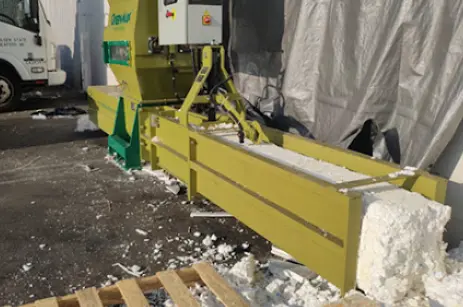
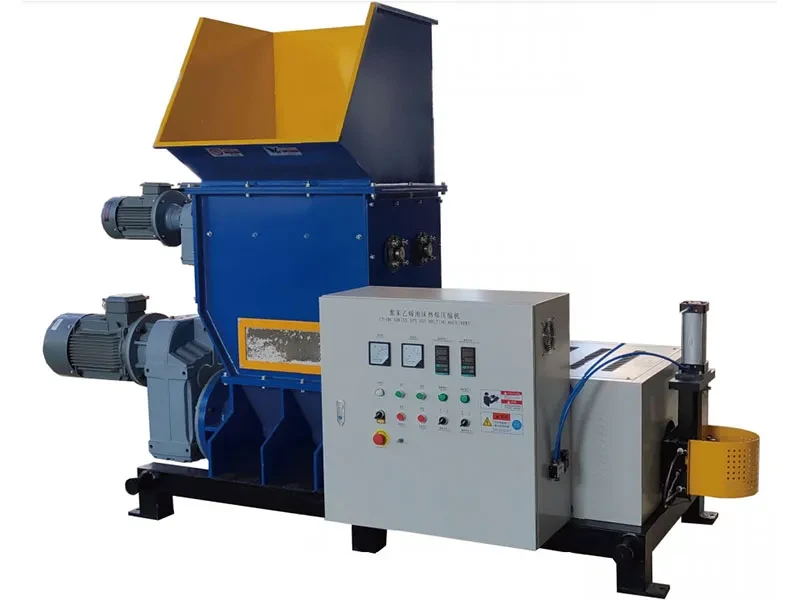
A styrofoam densifier is a remarkably powerful piece of industrial equipment. The machine is designed specifically to violently crush the open cells and forcefully squeeze out all the trapped internal air. First, your factory operator simply throws the loose foam directly into the large steel hopper. Inside the heavy machine, extremely sharp rotating blades quickly shred the material into much smaller, manageable pieces. Next, a heavy-duty steel auger screw forcefully pushes these torn pieces forward through a tight channel. This continuous mechanical action applies massive compression.
The resulting compression ratio can be truly amazing for a factory owner. In fact, a good commercial foam densifier can easily achieve an incredible volume reduction ratio of up to 50:1. The freshly densified material steadily comes out as a tight, heavy log. These square blocks or logs are very easy to store on a standard wooden pallet and remarkably easy to handle with a forklift. Now, you no longer need expensive extra warehouse space just to hold useless air. You can stack them high and forget about them until the truck arrives.
Why Use an EPS Hot Melt Machine Instead of a Cold Compactor?
When outfitting your modern factory, you basically have two main choices to safely compress the foam scrap. You can use a standard cold styrofoam compactor or you can invest heavily in a high-quality eps hot melt machine. A cold compactor strictly uses pure physical force. It squishes the eps waste tightly together without applying any external heat. However, a hot melting machine uses intense electric heat to physically melt the plastic back into a liquid state.
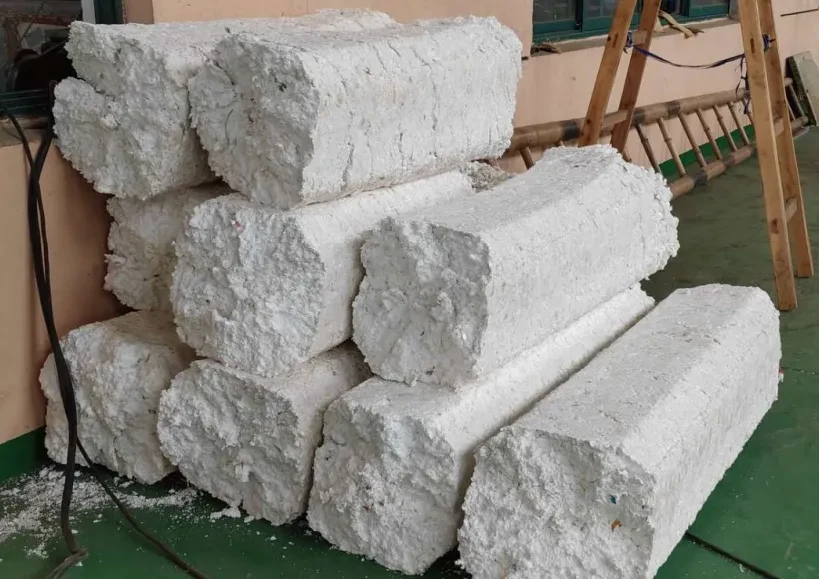
When you finally melt the foam, it completely turns into a thick, sticky liquid resin. This intense hot melt process permanently removes every single tiny pocket of air. Then, the hot liquid gently cools down into a rock-solid, heavy ingot. These plastic ingots are incredibly dense and heavy. The final density of these hot-melt blocks is significantly higher than cold-pressed blocks. This ultimately means you can pack a lot more total weight into a single logistics shipping container, saving you thousands on long-distance freight.
Can You Recycle Different Types of Foam Like EPP?
Yes, absolutely! Your modern B2B factory might actively handle several different types of foam daily. For example, expanded polypropylene, or epp, is incredibly popular right now in the global auto parts industry. This epp material is much tougher and more resilient than standard eps. It actually bounces back forcefully from hard impacts. But can you safely recycle it? Yes, you certainly can recycle it with the right equipment.
A high-quality industrial recycling machine can effortlessly process multiple different materials. You might just need to program slightly different temperature heat settings on your hot melting densifier control panel to accommodate the melting point. But the core mechanical principle remains exactly the same. You violently shred the tough foam scrap, apply intense heat or pressure, and vastly reduce the volume. Being fully able to recycle both standard eps and tough epp gives your business tremendous operational flexibility in a competitive marketplace. It is always smart to recycle whatever scrap you produce.
How Does a Hot Melting Machine Actually Melt the EPS Foam?
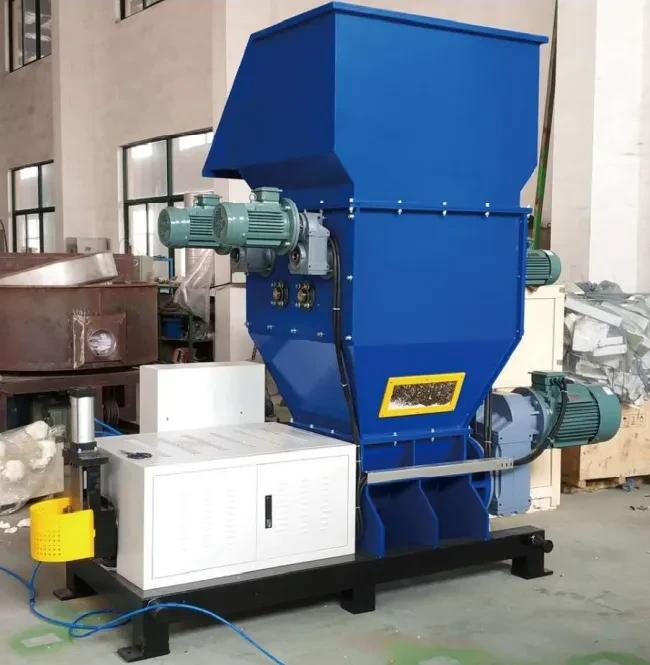
Let us look closely inside the heavy steel melter to fully understand the physics at play. When you steadily feed waste eps foam into the upper hopper, twin steel cutter shafts crush it instantly. The violently crushed pieces then fall directly into a heated steel screw barrel. As the heavy screw turns, powerful electric band heaters warm the metal barrel. The internal temperature rises very quickly and holds steady thanks to advanced Siemens PLC controls.
The waste eps rapidly begins to melt under the intense heat. It entirely changes from a solid white puff into a thick, viscous goo. The continuously rotating screw strongly pushes this hot melt forward. It forcefully pushes the liquid plastic out through a precise die hole. This is a very basic extrusion process. Finally, the hot, freshly melted plastic drops cleanly into a water cooling trough. Once it is completely cool, it hardens quickly into a rock-solid, incredibly heavy ingot. If you melt the scrap properly, the results are fantastic.
What is the Difference Between a Foam Densifier and a Styrofoam Compactor?
People in the industry very often confuse these technical terms. A styrofoam compactor strictly uses intense mechanical pressure. It usually operates normally at room temperature. Powerful hydraulic rams or large rotating screws press the material very tightly. It successfully creates a solid log, but it absolutely does not melt anything at all. The phrase foam densifier is actually a much broader umbrella term. It can mean a cold compactor, or it can also exactly mean a heated hot melting densifier.
Generally speaking, when busy factory managers talk about densifiers, they simply mean any machines that actively increase the material density. If you want the absolute highest possible density, you absolutely want to melt it. Cold compaction is fantastic if you want to completely avoid heat and potential fumes in your plant. Hot melting is definitely best if your primary main goal is to drastically slash your transportation costs. Both machines successfully recycle the problematic styrofoam and help clean up your floor.
How Can an EPS Recycling Machine Cut Your Logistics Costs?
Global logistics are currently very expensive and highly unpredictable. Moving empty air across the country is a massive waste of your money. Just imagine carefully loading a huge cargo truck with loose foam. The big truck is totally full, but it honestly only weighs a few hundred kilograms. You are literally paying a premium high price to transport air! If you effectively compress the material first, the entire financial equation changes drastically.
When you finally install an eps recycling machine, you completely change the daily math. A standard transport truck can easily carry twenty heavy tons of densified material instead of just one single ton of bulky scrap. This massive volume reduction ratio permanently slashes your monthly transport bills. You save serious money on every single truckload that leaves your dock. Over a busy year, this incredible logistics savings easily pays for the entire machine. It always pays to recycle efficiently.
Why is a Complete Recycling System Crucial for Factory Profits?
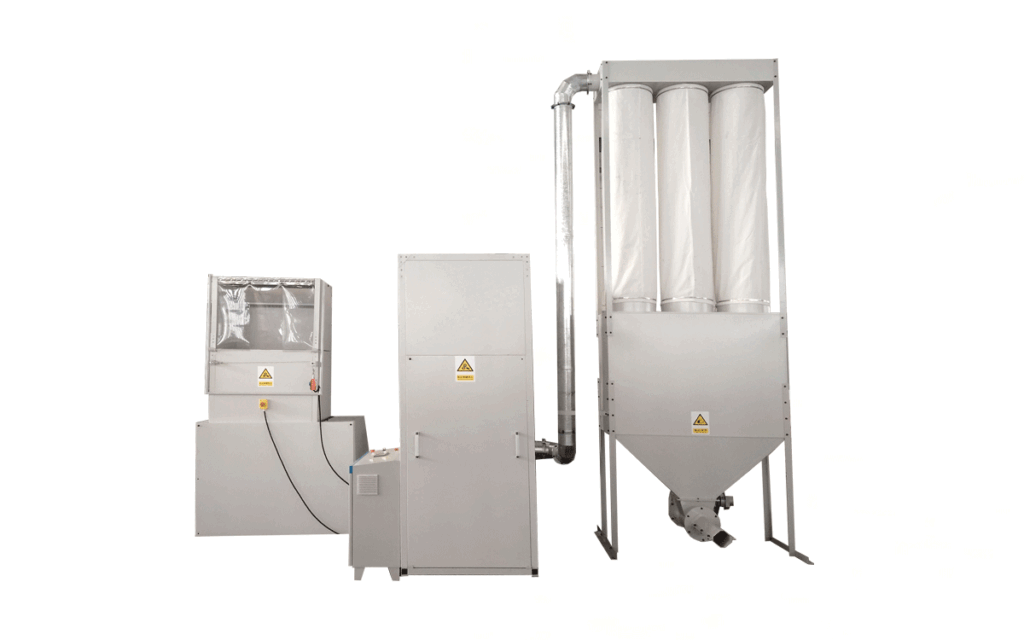
To make real, consistent money, you desperately need a full, integrated recycling system. You simply cannot just pile dirty styrofoam waste in a dark corner of your plant and hope it goes away. You need a dedicated processing line. A truly great setup usually includes a heavy-duty crusher, an automatic de-duster, and a powerful densifier. This strict process ensures your final recycled eps is perfectly clean and free of dust.
Clean, pure material always sells for a much higher price on the open market. When you try to extrude dirty plastic, the final quality drops severely. Global buyers eagerly want pure, clean plastic ingots. By installing a high-quality machine for recycling, you basically create premium raw material from trash. You finally stop paying those expensive, painful disposal costs. Instead, eager buyers happily pay you to quickly transport the recycled material away. It completely flips a heavy expense into a solid, reliable profit center. You must recycle to survive in today’s economy.
What Happens to the Foam Waste After the Melter Processing?
So, you now have a heavy, solid plastic ingot sitting on a pallet. What exactly happens next? This deeply melted block is highly recyclable on the global market. You can easily sell these heavy blocks directly to large plastic manufacturers. They happily take the dense blocks and heavily shred them all over again. Then, they melt them down once more to create millions of tiny plastic pellets.
A single tiny pellet can soon become many exciting new things. Mega factories proudly use this recycled eps to mass-produce new plastic products. They carefully mold it into cheap picture frames, sturdy park benches, and durable coat hangers. Some advanced manufacturers even carefully mix a small percentage of this recycled pellet back into brand new protective packaging. This brilliant process completely closes the loop on the original foam waste, ensuring nothing is ever lost. They melt the blocks to build the future.
How Do Densifiers Benefit the Environment and Stop Landfill Use?
As modern factory owners, we must aggressively protect the environment. EPS foam is technically 100% recyclable, yet far too much of it sadly still goes straight to the local landfill. When this lightweight plastic foam enters a dirty landfill, it frustratingly takes hundreds of long years to break down. It actively causes severe local pollution. The wind can easily blow the lightweight, loose scrap into beautiful rivers and oceans. We must recycle now to prevent this.
Using heavy-duty densifiers stops this terrible cycle entirely. By proactively processing the waste eps right at your factory floor, you permanently keep it out of the ground. It is an incredibly environmentally responsible choice to make today. You magically turn worthless waste plastic into a highly valuable global resource. Every single time you choose to recycle and forcefully compress this material, you actively lower your factory’s carbon footprint. If you recycle properly, everyone wins.
What is the Real Financial Value of the Volume of EPS Foam When Recycled?
Let us talk frankly about cash flow and return on investment. The sheer volume of eps foam that a typical packaging plant produces is staggering. Often, it feels like the scrap is taking over the entire facility floor. But inside that annoying mountain of white styrofoam is trapped cash. Every single time you run a styrofoam densifier, you are actively mining that cash. The key is consistent, daily operation and a commitment to recycle everything.
By choosing to actively recycle every single scrap of expanded polystyrene, you create a powerful secondary income stream. You compress the waste, you heavily densify it, and you stack the hot-melt ingots safely in the corner. When you have a full truckload, you call a broker. They will gladly pay you for the material, load it up, and transport it to a pelletizing plant where they melt it again. The secret is that a styrofoam compactor or a high-quality hot melting machine doesn’t just clean your floor; it actively pays your utility bills. It is smart to recycle daily.
Important Things to Remember
Stop Paying for Air: Loose styrofoam takes up valuable space. You must recycle and condense it to stop paying outrageous transport and disposal fees.
Choose Your Method: A cold compactor uses pure pressure to compress scrap, while an eps hot melt machine uses intense heat to melt it into heavy ingots.
Maximize Density: If your goal is to pack maximum weight into a shipping container, a hot melting densifier offers the best compression results.
Handle Multiple Materials: A high-quality recycling machine can process different materials, including tough epp, giving your factory total flexibility.
Create a Profit Center: By investing in a full recycling system, you transform useless foam waste into valuable recycled eps that buyers will pay you for.
Protect the Planet: Keeping eps waste out of the landfill prevents long-term pollution and lowers your company’s carbon footprint.
Post time: 05-19-2026