What EPR Legislation Means for EPS Packaging and Pollution Control
The global manufacturing landscape is shifting under our feet. For factory owners producing foam products, new environmental laws are changing how we do business. The introduction of the Plastic Pollution Prevention and Packaging guidelines and the aggressive Packaging Producer Responsibility Act are forcing a massive transition. The core of this shift is the Pollution Prevention and Packaging Producer framework, which fundamentally redefines who pays for waste management.
Why is this article worth reading? Because survival in the modern manufacturing era demands adaptation. Understanding the Prevention and Packaging Producer Responsibility mandates will protect your profit margins. We will break down exactly how these rules impact your factory operations, how to leverage new recycling technologies, and what you must do to comply with strict mandates before critical deadlines hit.
Content Content 1 What Exactly is Extended Producer Responsibility and How Will It Impact Plastic Packaging by 2026? 2 How Does SB 54 Alter the Rules for Expanded Polystyrene Foam and Single-Use Items? 3 Will the Polystyrene Ban Apply to All EPS Packaging or Are There Exemptions? 4 How Can Manufacturers Improve Recyclability and Meet Recycled Content Goals? 5 What Role Does the Circular Action Alliance Play in EPR Legislation? 6 How Are Covered Material Categories Updated Under the New Packaging Reduction Rules? 7 Can We Recycle Expanded Polystyrene Effectively to Combat Packaging Waste? 8 Why EPS Remains Crucial for the Supply Chain Despite EU Packaging Shifts? 9 How Will Outreach Materials Educate Consumers on EPS Packaging Recovery? 10 What Must Factory Owners Do Now to Adapt to the Updated Covered Material Guidelines?
What Exactly is Extended Producer Responsibility and How Will It Impact Plastic Packaging by 2026?
The concept of extended producer responsibility (EPR) is quite simple but highly impactful. In the past, once a factory shipped out a box, the lifecycle of that box became the buyer’s problem. Not anymore. EPR laws legally shift the financial and physical burden of managing packaging waste back to the brand owners and the manufacturers.
If you make plastic materials, you are now part of a closed-loop system. Starting heavily in 2026, producers must fund programs to collect, sort, and recycle their goods. The packaging industry can no longer rely entirely on taxpayers to handle the end-of-life of packaging materials. This means that when you distribute or offer for sale an item, you are financially tied to its eventual disposal.
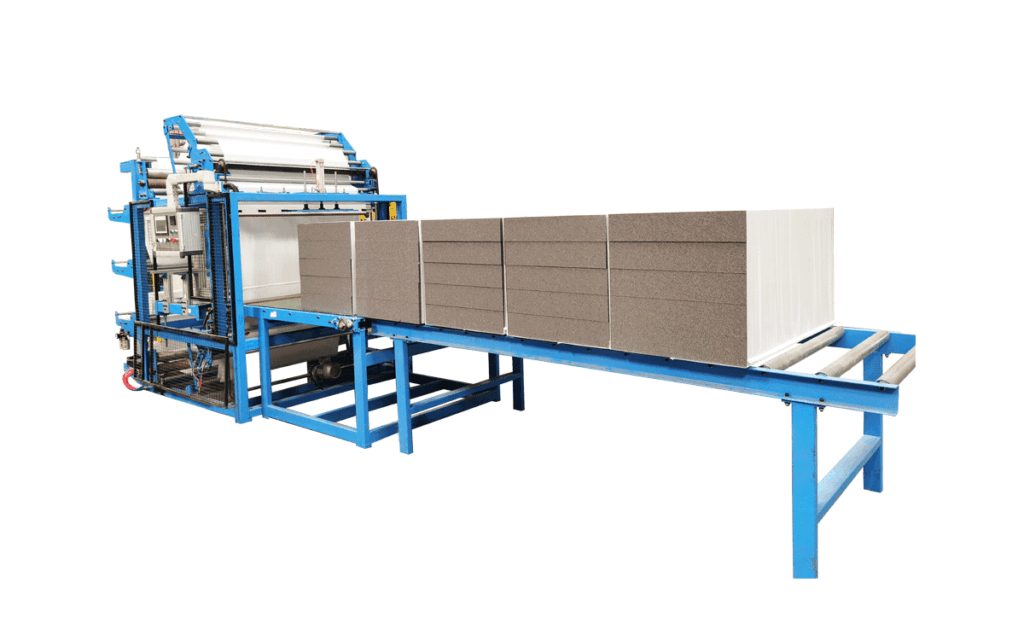
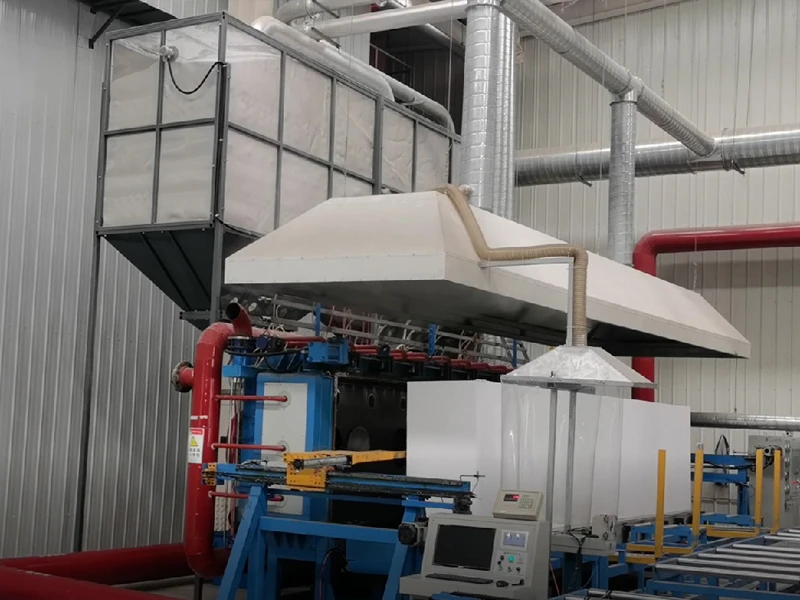
For a smart factory owner, this is not just a penalty; it is an opportunity. By adapting early, you can offer compliance-ready solutions to your buyers. To do this, you need efficient, modern equipment. Setting up a high-performance production line using a robust Horizontal EPS Block Machine allows you to tightly control the density and weight of your output, making it easier to meet strict new material efficiency targets.
How Does SB 54 Alter the Rules for Expanded Polystyrene Foam and Single-Use Items?
California’s landmark SB 54 legislation has sent shockwaves through the manufacturing world. This specific state law acts as a blueprint for plastic pollution control. It sets highly aggressive targets to reduce the use of single-use plastic and dramatically increase the recycling rate of all materials.
Under SB 54, the rules for expanded polystyrene foam are incredibly strict. The law requires that all single-use items must actually be recyclable or compostable by a set date. If a specific material type cannot hit a 25% recycling rate, it faces a total ban. This aggressive stance aims to quickly reduce packaging waste.
Here is a quick look at the core goals:
Cut total plastic use by 25% by 2032.
Ensure 100% of packaging is recyclable or compostable.
Achieve a 65% overall recycling metric for plastics.
If your factory produces single-use items, especially single-use takeout containers and cups, you must pay close attention. The threat of a complete ban of expanded polystyrene in certain consumer sectors is real unless the industry vastly improves local recovery systems.
Will the Polystyrene Ban Apply to All EPS Packaging or Are There Exemptions?
When people hear about a polystyrene ban, they often panic, thinking their entire factory will shut down. However, the reality is much more nuanced. The legislation typically applies to food packaging and cheap, non-durable goods.
Industrial and protective items often fall under an exemption. For instance, items used to ship highly sensitive medical devices or critical biological products regulated under the department of health or the federal food, drug, and cosmetic act are usually exempt from bans. These items require absolute temperature control and shock absorption, and there is simply no better alternative.
Furthermore, eps provides unmatched insulation. Heavy-duty construction panels and large automotive shipping boxes are entirely different from thin food service ware. While a ban might wipe out cheap foam food trays or polystyrene containers, the market for durable, high-value protective packaging remains incredibly strong.
How Can Manufacturers Improve Recyclability and Meet Recycled Content Goals?
To survive in this new era, your factory must embrace post-consumer recycled content. Laws are increasingly demanding that new products contain a specific percentage of old, reused material. This directly forces a shift toward a true circular economy.
So, how do you actually do this? You must invest in heavy-duty recycling machinery. You cannot simply throw old foam back into a standard mold. You need to crush it, de-dust it, and precisely mix it with virgin polystyrene resin.
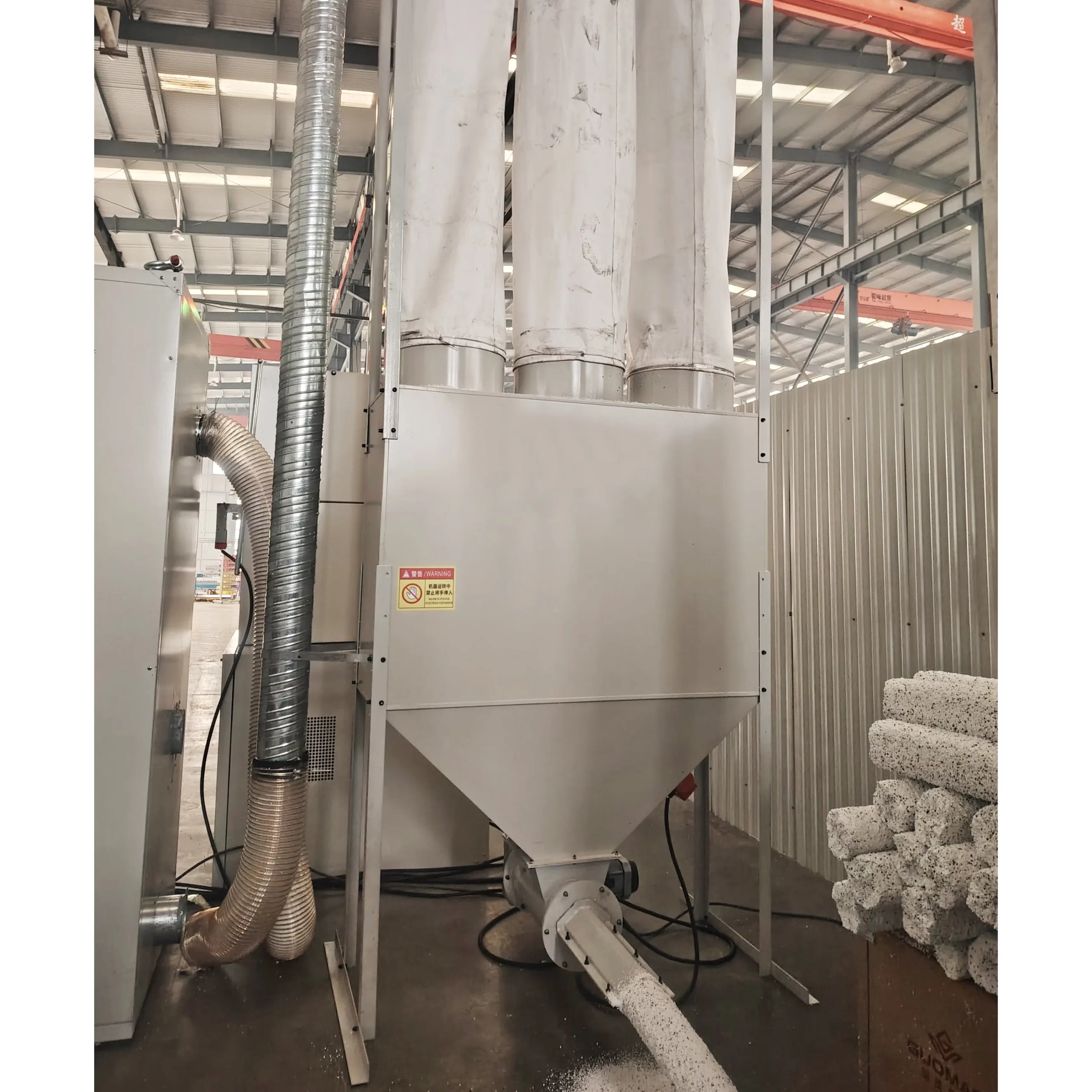
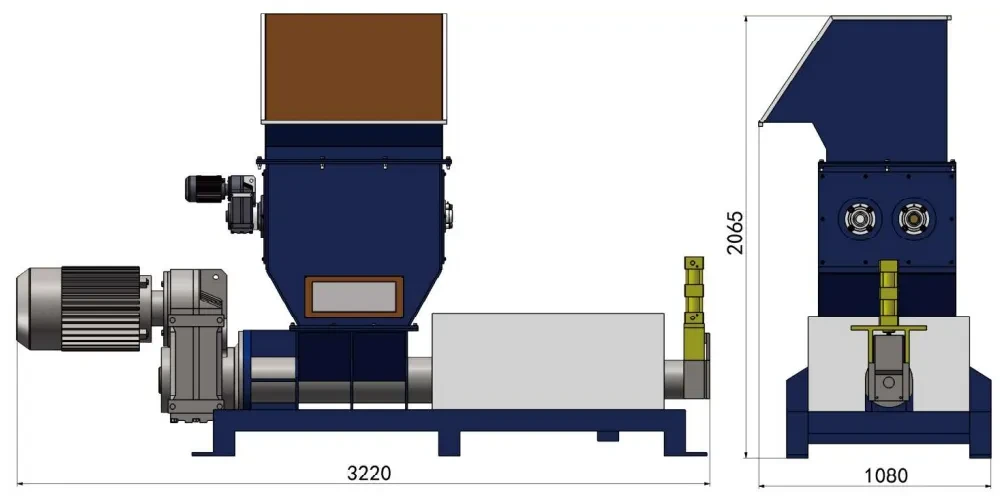
By utilizing an advanced EPS Recycling Machine EPS Crusher + De-duster+ Dust compactor, you can seamlessly take scrap from the waste stream and turn it into valuable raw material. This guarantees your eps products will meet certain criteria for recycled content without sacrificing structural strength. Recyclability and compostability are the new gold standards; mastering the first will keep your business thriving.
What Role Does the Circular Action Alliance Play in EPR Legislation?
As the government rolls out epr legislation, they don’t usually manage the day-to-day operations themselves. Instead, they require the industry to form a producer responsibility organization (PRO). In the United States, the Circular Action Alliance has emerged as the leading PRO approved to handle these massive new tasks.
The Circular Action Alliance acts as the middleman between the state and the supplier. They are responsible for collecting fees from producers and using that money to fund local recycling infrastructure. They conduct a massive statewide needs assessment to figure out exactly where the current system is failing.
By analyzing the barriers and solutions within existing systems, this organization helps build the network needed to actually collect and process materials. As a manufacturer, you will likely register with a PRO, report your production volumes, and pay fees based on the packaging weight and type you introduce into the market.
How Are Covered Material Categories Updated Under the New Packaging Reduction Rules?
The legal definition of what you are responsible for is constantly changing. Governments maintain a strict list of covered material. If your product is on this list, you are on the hook for the EPR fees.
Recently, we have seen major shifts in packaging reduction laws, especially in progressive areas like New York State. These laws define covered material categories very broadly. It includes everything from cardboard boxes to eps packaging.
If a factory fails to comply with the PRO rules, producers are prohibited from selling, distributing, or importing their goods into that state. You literally cannot offer for sale or distribute your items. Staying informed about the updated covered material list is essential to avoid sudden, massive fines that can cripple your operations.
Can We Recycle Expanded Polystyrene Effectively to Combat Packaging Waste?
One of the biggest myths in the world is that expanded polystyrene is not recyclable. The truth is, it is 100% recyclable. The main problem has never been the chemistry; the problem is logistics. Because foam is 98% air, it is very expensive to transport long distances.
However, modern eps recycling technologies have completely solved this. Factories can now install compactors and hot melt machines that squeeze the air out, turning massive mountains of foam into dense, heavy plastic bricks. This solves the municipal waste management problem instantly.
“True sustainability isn’t just about banning materials; it’s about building the infrastructure to recover them.”
Once the foam is compacted, it can easily be sold to facilities that melt it down to make picture frames, park benches, and new insulation boards. To see how you can handle your own factory scrap efficiently, check out our reliable EPS Compactor Machine, which squashes waste foam down to a fraction of its original size, making it highly profitable to sell.
Why EPS Remains Crucial for the Supply Chain Despite EU Packaging Shifts?
With all these new rules, especially the strict Packaging and Packaging Waste Regulation happening across the ocean, you might wonder if foam has a future. The answer is an absolute yes. EPS remains highly critical to the global supply chain.
Why? Because the alternatives are often worse for the environment when you look at the big picture. EPS reduces total shipping weight drastically compared to heavy paper pulp or solid plastics. Lower packaging weight means less fuel burned by trucks and airplanes.
Furthermore, in the world of fresh groceries, excellent insulation prevents massive food loss. The carbon footprint of a ruined shipment of expensive meat far outweighs the footprint of the foam box holding it. While EU packaging rules push for reusable and alternative packaging formats, the high-performance demands of global shipping mean that lightweight, shock-absorbing foam is here to stay.
How Will Outreach Materials Educate Consumers on EPS Packaging Recovery?
Building an amazing recycling machine is useless if consumers throw the foam in the trash. The success of creating a circular economy relies entirely on public participation. This is why the new producer responsibility law mandates heavy funding for public education.
PROs are required to develop clear, effective outreach materials. These campaigns teach normal people how to properly clean and reuse their boxes, or where to drop off their packaging product for recycling.
For example, many people still do not know that they can drop off clean furniture shipping foam at local collection centers. By standardizing labels on new products and launching statewide media campaigns, the industry aims to vastly increase the volume of clean material entering the recycling pipeline.
What Must Factory Owners Do Now to Adapt to the Updated Covered Material Guidelines?
The clock is ticking. The major EPR deadlines are approaching fast. The baseline data collection years, typically spanning from 2022 to 2024, are already used to calculate future fees. If you wait until December 31 of the year before enforcement begins, you are already too late.
Starting January 1 of upcoming enforcement years, non-compliant factories will face brutal fines. To prepare, factory owners must take immediate initiative.
Audit Your Production: Know exactly how much plastic you use and what categories it falls under. Are you making exempt industrial items or highly regulated food service establishments trays?
Upgrade Machinery: If you are importing materials or importing eps food packaging, ensure your lines can run efficiently with recycled content. Consider investing in a highly automated Mould Adjustable EPS Block Molding Machine to quickly change formats and minimize waste.
Collaborate with Suppliers: Work tightly with your packaging suppliers to source better raw materials.
Embrace Recycling Equipment: Stop paying to throw away your scrap. Turn it into revenue.
By understanding the single-use packaging and plastic food restrictions, and by shifting your new packaging designs to favor sustainability, you can turn these strict laws into a massive competitive advantage.
Post time: 07-08-2026