
YouXin EPS Cutting and CNC Solutions: From Block to Finished Shape
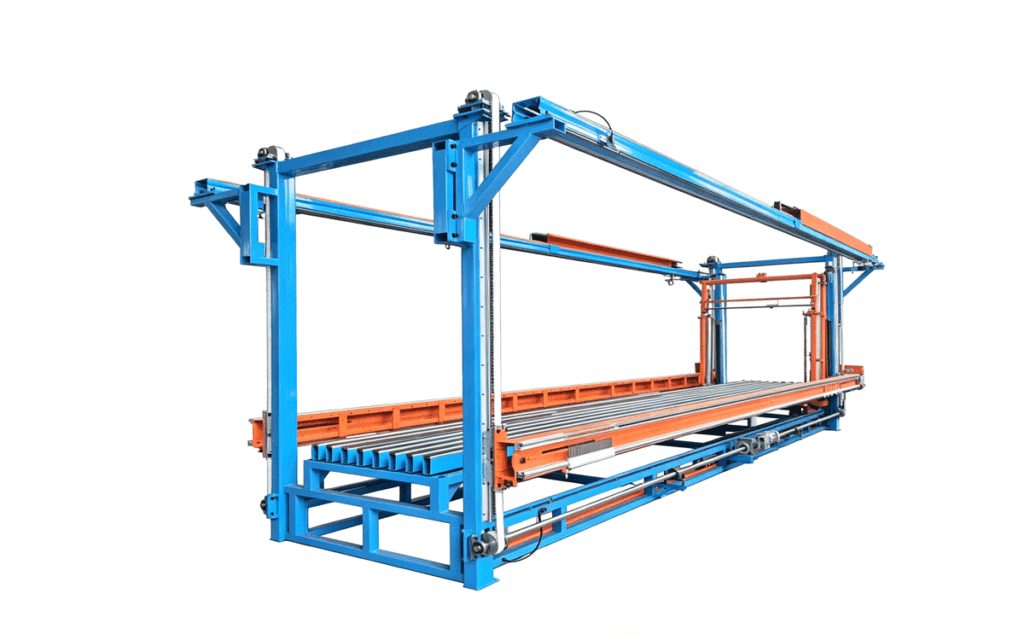
YouXin’s cutting range covers the full path from a raw foam block to a finished shape: the EPS cutting line for high-volume sheets, the EPS cutting machine for general slabbing, and the CNC cutting machine for shaped profiles from CAD. Together they let a factory serve both commodity panel orders and custom-shaped jobs on one floor, which is how most export-oriented EPS plants actually run.
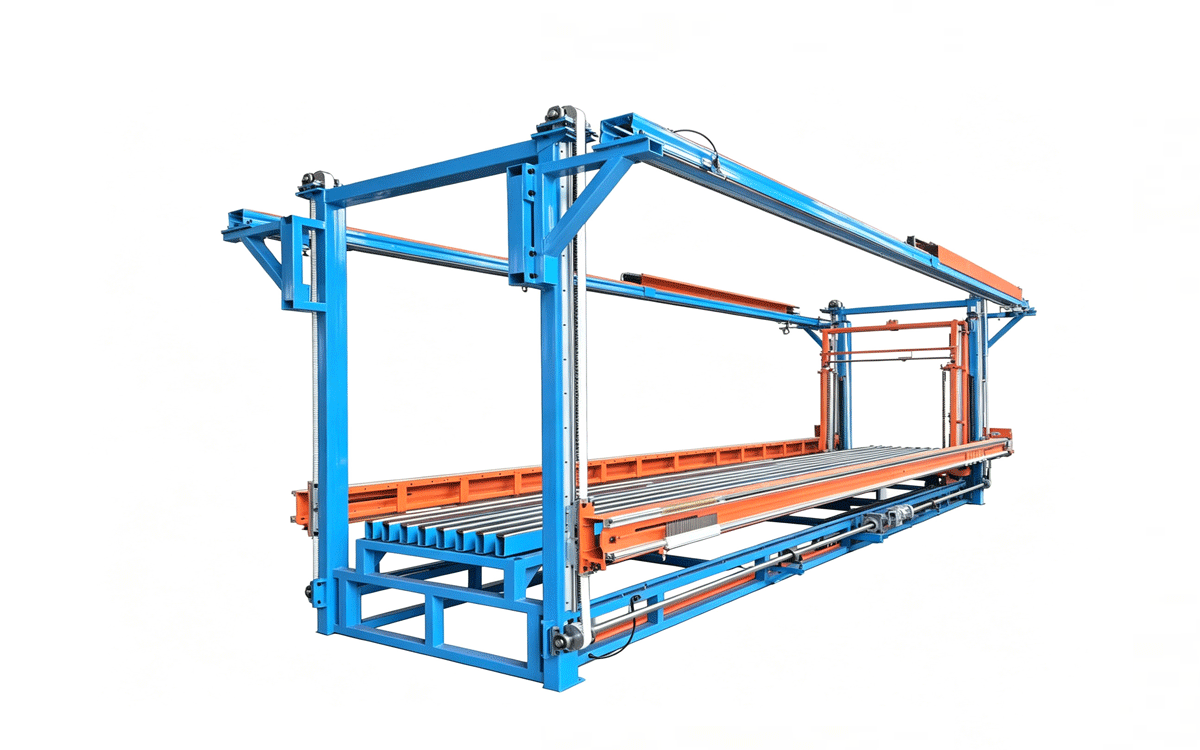
How the three machines fit together
The cutting line is the backbone: it turns cured blocks into parallel sheets at rated 1.8–2.0 m/min (at 15 kg/m³). The general cutting machine handles slabbing and shorter runs where a full line is over-spec. The CNC machine takes those sheets and cuts letters, architectural shells, and insulated shapes that no straight-wire machine can. Most buyers start with a cutting line, then add CNC as shaped orders grow. The result is one connected flow instead of three disconnected stations.
YouXin builds EPS machinery to CE standards and has supplied factories in more than 50 countries, so the cutting range is designed for the same export-oriented plants we equip worldwide. The three cutting machines share one control philosophy: simple, repeatable setup so a new operator is productive within a day, and spare wires and seals that any local workshop can source. That consistency matters more than a long feature list when you are running two shifts and a container is due.
From block to shape: a worked example
Picture a typical order week. Monday’s block molding run feeds the cutting line, which turns out 50 mm and 100 mm panels for a construction customer. Tuesday brings a shaped order — insulated corner pieces for a cold-store panel — that goes from the same sheets to the CNC machine. Wednesday is mixed: the line clears the panel backlog while the CNC handles a small architectural job. With all three machines on one floor and one operator trained across them, you shift capacity to wherever the orders are instead of turning work away because the wrong machine is busy.
Typical cutting line specifications
| Model | Block Length | Block Width | Block Thickness | Cutting Speed (@15 kg/m³) |
|---|---|---|---|---|
| SPQ-2000B to SPQ-6000B | 2000–6000 mm | 1200 mm | 1200 mm | 1.8–2.0 m/min |
Figures above are current model ranges; exact speed depends on foam density and block thickness.
Choosing the right cutting setup in 5 steps
- Start from your block size. YouXin’s SPQ-2000B to SPQ-6000B covers 2000–6000 mm blocks; match the machine to your molding output.
- Separate sheet work from shape work. Straight sheets go to the line; CAD shapes go to CNC. Don’t force one machine to do both badly.
- Confirm speed at your density. Rated speed is at 15 kg/m³; denser foam cuts slower, so size for your real product mix.
- Plan material flow. Blocks in from molding, sheets out to packing — keep the path straight to avoid manual bottlenecks.
- Think about growth. Add a CNC cutting machine when shaped orders become steady; it pays for itself by opening custom jobs.
Common mistakes in cutting
The usual trap is reading the brochure speed as fixed. Cutting speed falls as density rises, so a line quoted at 2.0 m/min may run near 1.0 m/min on a 30 kg/m³ block. Size for the densest product you sell. The second trap is skipping fume extraction on hot-wire cutting — it is a comfort and compliance issue you will regret deferring. A third is buying a CNC machine before there is shaped volume to feed it, which leaves a precise tool idle while the sheet work waits.
Maintenance and operator notes
Cutting is low-maintenance: the wire is the consumable, so keep tension correct and replace wires before they stretch. The CNC machine needs the cutting table kept clean and the CAD paths verified so shaped parts come out true. One trained operator can run the whole cutting area, and a short daily check list — wire tension, table, extraction — keeps output on spec.
What to plan before delivery
Beyond the machines themselves, plan the floor space, the power, and the film or wire stock so the line is productive from day one. A cutting line needs a clear run longer than your longest block; a CNC machine needs a clean table and a PC for the CAD files; both need fume extraction. YouXin supplies layout drawings and a spare-parts list with every line, so your team can stock the few consumables — wires, seals, blades — before the first container arrives.
Frequently Asked Questions
Do I need all three machines at once?
No. Most factories begin with a cutting line, add a general cutting machine for flexibility, and bring in CNC when shaped orders appear. YouXin sizes each step to your current volume.
What density can the line cut?
YouXin’s SPQ series is rated at 15 kg/m³ for the stated speed and cuts higher densities more slowly. Tell us your range so wire power and feed are correct.
Can the CNC machine cut the same sheets?
It can, but a cutting line is far more efficient for plain sheets. Use CNC for shapes and the line for volume — that split is the lowest-cost way to run a floor.
Explore the full range: cutting line, cutting machine, and CNC cutting machine. Contact YouXin for a tailored cutting layout.