
EPS Cutting Machine Maintenance: Wire Care, Calibration and Common Faults
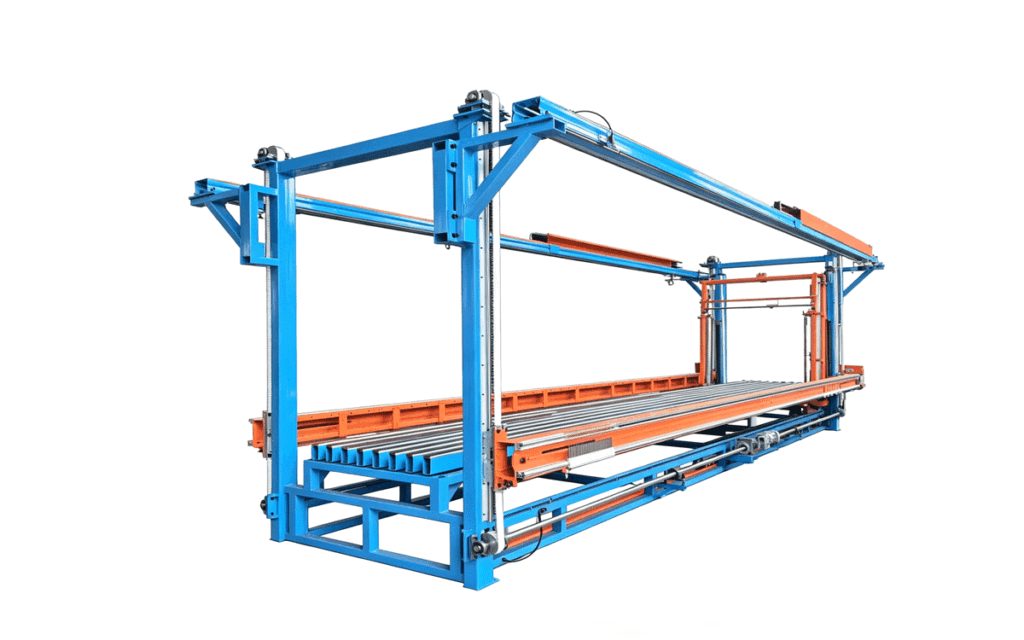
An EPS cutting machine is a hard-working asset, and like any precision tool it rewards routine care. A small maintenance habit prevents most downtime and keeps cut quality tight. This article covers the checks that matter most for hot-wire EPS cutters — from wire care to calibration and the faults we see most often in the field.
Why Maintenance Matters
Hot-wire cutting depends on consistent wire temperature, tension and motion accuracy. Dust, vibration and worn guides quietly degrade results until you notice ragged edges or drifting dimensions. A 15-minute daily routine avoids most of these problems.
Daily Checks
Before each shift, inspect wire tension, clean the cutting table of bead debris, and confirm the emergency stop works. Listen for unusual motor noise. On a YouXin EPS cutting machine the HMI logs run hours — use it to schedule service.
Cutting Wire Care
The wire is your consumable. Keep spare wires on hand and replace any that show kinks, oxidation or uneven glowing. Tension should be firm but not over-stretched; over-tension snaps wires mid-cut. Wipe residue from the wire after long runs to extend life.
Calibration and Accuracy
Weekly, verify axis homing and re-zero the cutting offset. Cut a reference block and measure thickness at multiple points. If a CNC cutting machine starts drifting, re-run the calibration routine rather than compensating manually — manual offsets accumulate errors.
Lubrication and Mechanical Parts
Guide rails and lead screws need light, regular lubrication with a clean, non-tacky oil. Avoid heavy grease that traps foam dust. Check belt tension on conveyor-driven lines and replace worn brushes on drive motors.
Electrical and Control System
Keep the control cabinet dust-free and check terminal tightness quarterly. Power surges are a common cause of controller faults — a surge protector or isolation transformer is a cheap insurance policy.
Common Faults and Quick Fixes
Uneven or ragged cuts
Usually low wire tension or contaminated wire. Re-tension and clean, then re-test on scrap.
Wire breaks frequently
Over-tension, sharp guide edges, or wrong temperature for bead density. Lower tension slightly and tune temperature.
Dimensions drift over a run
Mechanical backlash or lost calibration. Re-home axes and re-calibrate the offset.
Machine will not start
Check e-stop, door interlock and main breaker before assuming a controller failure.
When to Call for Support
If faults repeat after calibration, involve the manufacturer. YouXin stocks spares for the full EPS cutting line range and can remote-diagnose most control issues.
Conclusion
Consistent wire care, weekly calibration and clean electricals keep an EPS cutting machine productive for years. Reach out to our team for a spare-parts list tailored to your model.
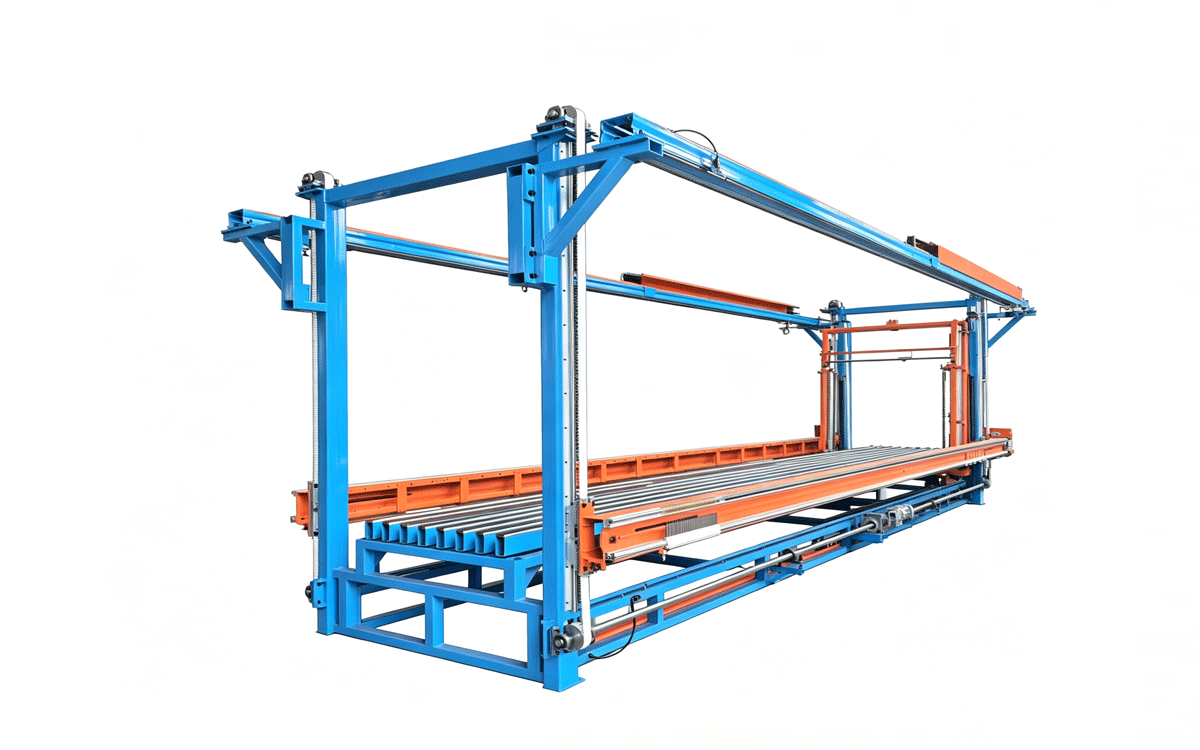
A schedule that fits a real shift
The checks below turn the routine into something a shift leader can tick off. Adjust frequencies to your cutting hours and dust load.
| Task | Frequency | What to look for |
|---|---|---|
| Clean the cutting table and remove bead debris | Start of every shift | Dust build-up near guides and rails |
| Check wire tension and wire condition | Start of every shift | Kinks, oxidation, uneven glowing along the wire |
| Test emergency stop and door interlocks | Daily | Stops must halt motion immediately |
| Verify axis homing and cutting offset | Weekly | Drift in reference thickness across the block |
| Lubricate guide rails and lead screws | Weekly | Use light, non-tacky oil; avoid grease that traps dust |
| Check belt tension and drive brushes | Monthly | Slip on conveyor-driven lines, worn motor brushes |
| Clean control cabinet and check terminals | Quarterly | Dust inside the cabinet, loose terminals, signs of surges |
| Review run hours and plan spare parts | Quarterly | Wires, guides, sensors and any part with a known life |
Mistakes that shorten wire life
Over-tensioning. A wire stretched tight snaps mid-cut and takes the sheet with it. Tension should be firm, not drum-tight.
Running too hot for the density. Excess temperature burns a ragged kerf and weakens the wire. Tune temperature to the bead density you are cutting.
Ignoring sharp guide edges. A burr on a guide will break wires repeatedly. Dress or replace the guide.
Letting residue build up. Wipe the wire after long runs; residue changes heat transfer along its length.
Typical specifications
EPS CNC Cutting Machine — specification snapshot
| Cutting Platform | Axes | Cutting Speed | Power | Weight |
|---|---|---|---|---|
| 3000 × 2400 × 1200 mm | X and Y | 0.3–0.6 m/min | 11 kW | 1500 kg |
These are YouXin’s current model ranges for the CNC cutter. Straight-cutting lines run at higher speeds on repeat work; see the EPS cutting line range for those figures.
Frequently Asked Questions
Why do my sheets come out ragged?
Most often low wire tension or a contaminated wire. Re-tension, clean the wire, and re-test on a scrap block before running production.
Why does the wire keep breaking?
Over-tension, a sharp guide edge, or a temperature that is wrong for the bead density. Lower the tension slightly and re-tune the temperature.
Dimensions drift during a long run — why?
Mechanical backlash or lost calibration. Re-home the axes and re-run the calibration routine rather than applying manual offsets, which accumulate error.
How hot does the wire run?
Hot wires typically operate around 200–300 °C. Operators need training on guards, ventilation and fire prevention before production starts.
What spares should we hold?
Cutting wires, guides, sensors and any drive belts on conveyor-driven machines. Ask our team for a list tailored to your model.
Wire types and when to change them
Cutting wire is a consumable, and the grade matters as much as the tension. Standard practice is to keep the wire type the machine was specified for: changing diameter or alloy changes resistance, which changes the heat the wire produces at the same setting. If you switch wire supplier, re-tune temperature before you blame the machine.
Change the wire when you see kinks, oxidation, or uneven glowing along its length — an unevenly glowing wire is already cutting unevenly. Keep a spare reel and a documented tension setting next to the machine so a change takes minutes and returns to the same result.
Why does the cut surface look wavy?
Usually uneven tension or a speed that is too high for the heat available. Re-tension the wire and reduce speed slightly, then re-measure on a test cut.
Is dust extraction really necessary?
Yes. Fine EPS dust affects housekeeping, gets into the control cabinet and guides, and is a fire-safety concern. Extraction should be commissioned with the machine, not after it.