
EPS Shape Moulding Machine Buying Guide for Fish Boxes and Packaging
Shape moulding is how EPS becomes a product rather than a block: fish boxes, appliance inserts, protective corners, seedling trays and custom packaging. The economics differ from block production — cycle time and cavity count decide your profit, not cubic metres of foam. This guide covers what to check before you buy.
How shape products are made
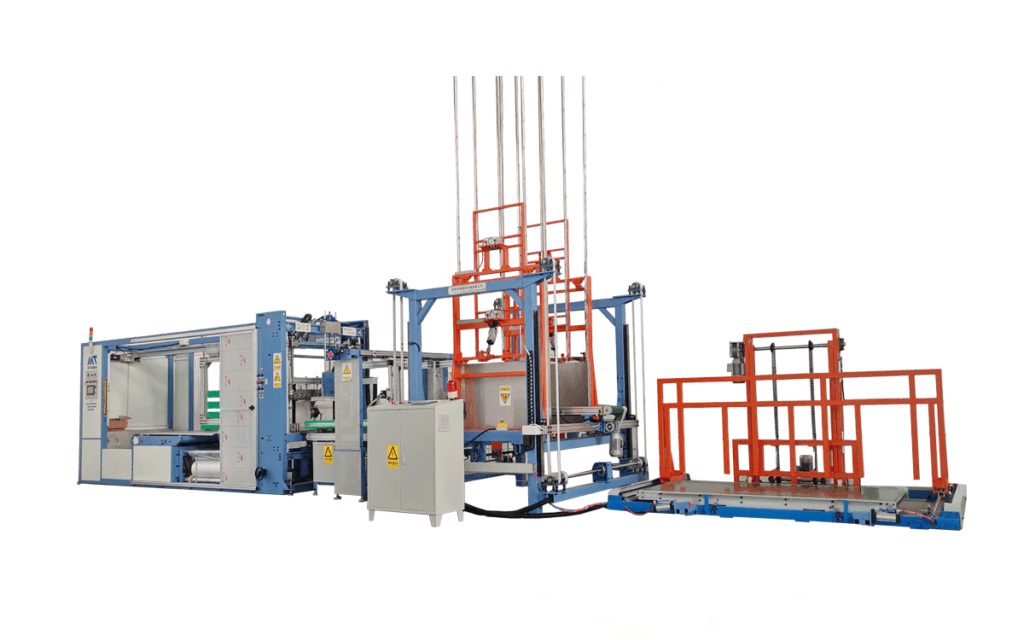
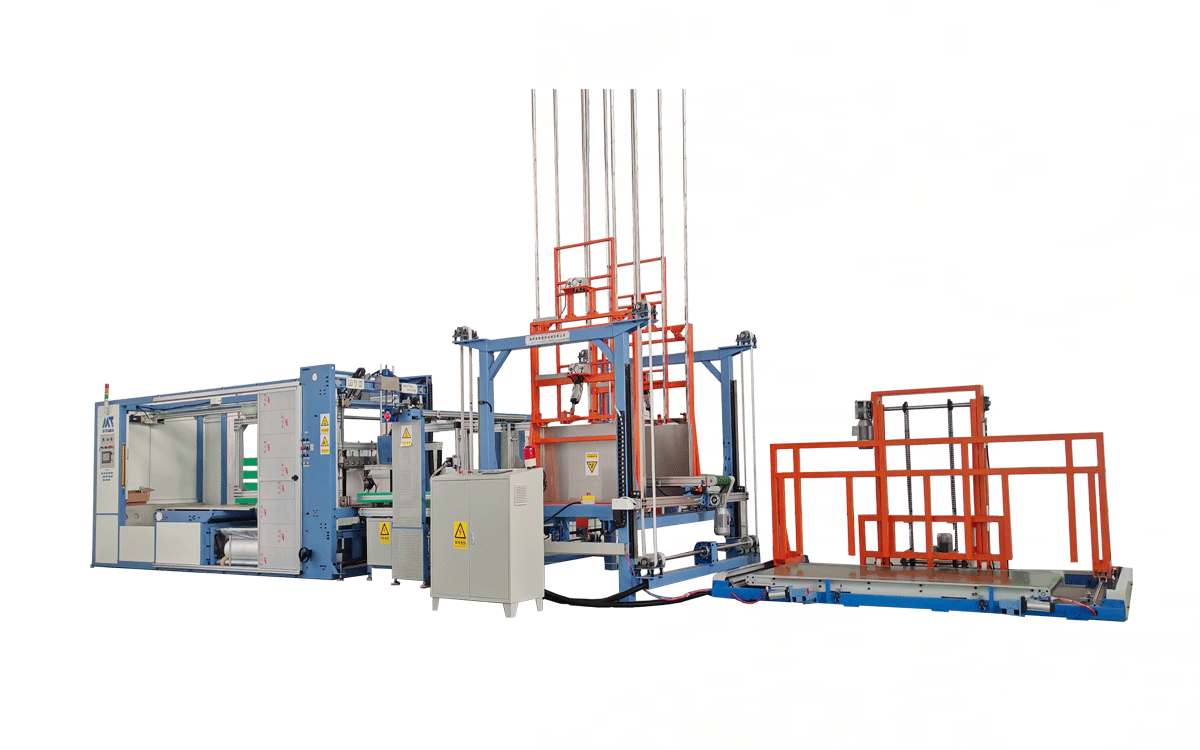
The process starts with pre-expanded beads from an EPS pre-expander machine. They are aged, then injected into a shaped mould where steam fuses them against the mould walls. Vacuum and water cooling stabilise the part before ejection. Finished parts are stacked and wrapped on an EPS wrapping machine for shape products.
Buying checklist
- Mould size and cavities per cycle — this drives output far more than machine tonnage. Ask how many cavities the machine can carry at your part size
- Steam and vacuum efficiency — steam is the dominant running cost. Look for insulated chambers and efficient vacuum cooling that shortens the cycle
- Automatic density control — consistent filling weight is what keeps part weight and strength inside tolerance
- Mould change time — with many SKUs, quick-change mould clamping matters more than raw cycle speed
- Control system — recipe storage for each part saves setup time and reduces operator error
- CE certification and spare parts — confirm certification for your market and check availability of valves, seals and sensors
Common mistakes
The first is buying for the largest part you might ever make, which leaves the machine running at half its cavity capacity every day. The second is ignoring downstream handling: a shape molding machine is only as fast as the stacking, wrapping and packing behind it.
Planning the whole line
Shape moulding lines rarely stand alone. Most plants pair them with block production, a recycling system for scrap, and a packing line that protects the finished parts in transit.
Our EPS Packaging page shows the full workflow from bead to wrapped pallet. Tell us your part dimensions and target output per shift and we will recommend the right configuration — contact our team.
Sizing the machine: from shift output to cavity count
Shape moulding economics are arithmetic, not horsepower. Work backwards from what you must ship:
- Define the shift target in parts. Not cubic metres — parts. Fish boxes, inserts and corners are sold by the piece.
- Estimate the realistic cycle time. Fill, steam, cooling and ejection. Thin-wall parts cycle faster; thick sections spend longer cooling.
- Divide available minutes by cycle time. That is how many cycles the machine can run in a shift after allowing for start-up and breaks.
- Derive the cavities you need. Parts per shift ÷ cycles per shift = cavities per cycle. This is the number that decides which machine you buy.
- Add headroom for mould changes. With many SKUs, plan for at least one changeover per shift inside working hours, not outside them.
Worked example: 6,000 parts per shift, a 90-second cycle and 430 productive minutes gives roughly 285 cycles, which means about 21 cavities. A machine that physically holds 21 cavities at your part size is the machine you need — and that is a very different shortlist from the one you get by comparing tonnage.
Downstream: wrapping and packing decide the real capacity
A shape moulding machine is only as fast as the stacking and wrapping behind it. If bundles queue at the packing station, extra cavities upstream just build inventory. Our EPS wrapping machine for shape products is sized against moulding output for exactly this reason.
| Model | Product Length | Product Width | Product Height | Speed | Film |
|---|---|---|---|---|---|
| SPLM-CA20/W800H600 | 2000 mm | 600–800 mm (adjustable) | 300–600 mm (adjustable) | 2–3 packs/min @ 1200×800×600 | PE, 0.02 mm |
These are YouXin’s current model ranges for the wrapping stage; configuration depends on bundle size and film. Full options: EPS Wrapping Machine for Shape Products.
Mistakes that show up after installation
No spare mould capacity. Adding an SKU later means a new mould and, if the machine is at its limit, a new machine too.
Steam sized for average, not peak. Several machines filling at once will pull the boiler below pressure, and cycle time stretches across the whole shop.
No ageing capacity for the bead. Freshly expanded bead needs hours to stabilise. Without enough silo volume, part weight drifts shift to shift.
Ignoring the scrap stream. Shape moulding generates sprue, rejects and trim. A recycling system turns that into bead instead of a disposal bill.
Frequently Asked Questions
How do I know how many cavities I need?
Divide your parts per shift by the number of cycles the machine can realistically run. See the five-step sizing method above.
Can one machine run both fish boxes and appliance inserts?
Yes, if the mould fits the platen and the control stores a recipe per part. Mould change time then becomes the deciding factor.
What steam capacity should we plan for?
Steam is the dominant running cost and the most common bottleneck. Size the boiler for simultaneous peak filling, not for average load.
Do we need vacuum cooling?
For most shape work yes. Vacuum shortens the cooling phase and stabilises the part before ejection, which is what makes short cycles repeatable.
Can older scrap be re-used in thin-wall parts?
Keep thin-wall and surface-critical products near the low end of the blend range. Validate with trial parts before raising the ratio.
Moulds: the real lead-time item
Machines are quoted in weeks; moulds are often the item that decides when you actually start shipping. A shape moulding project needs the tool designed, machined, fitted and sampled, and every iteration costs calendar time. Two decisions reduce that risk:
- Finalise the part drawing before ordering the machine. Tooling started from a provisional drawing is usually tooling that has to be remade.
- Order a spare cavity set for your highest-volume part. Wear and damage are certainties, and a spare set turns a crisis into a swap.
Also plan the mould storage. Tools are heavy, need clean, dry storage and must be identifiable without guessing. Plants that treat tooling as an asset class rather than as metalwork spend far less time searching for it.
Can we make more than one part per cycle?
Yes, by combining different cavities in one tool if the parts share a cycle time and filling behaviour. It is common for complementary sizes.
How long does a shape mould last?
It depends on material, cycle rate and maintenance. Cleaning, vent care and correct clamping pressure are what determine tool life far more than the number of cycles alone.