
Styrofoam Box Making Machine: How It Works and Buying Guide
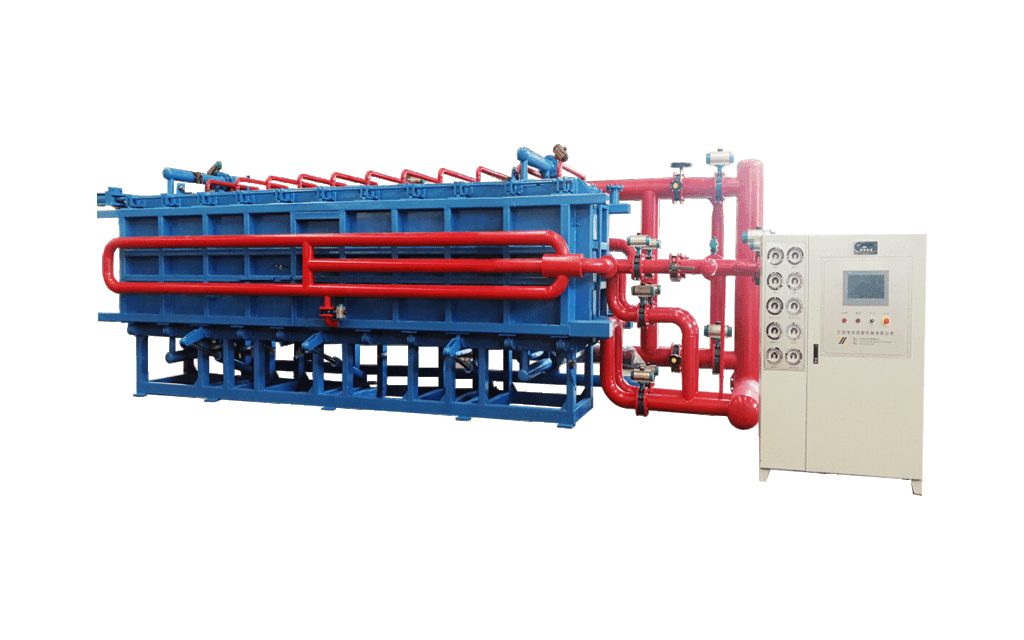
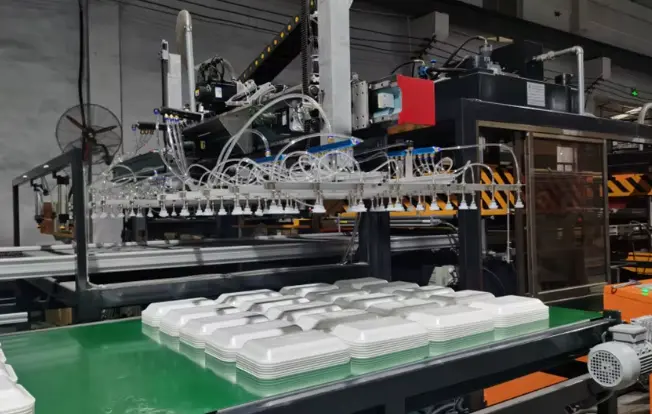
A styrofoam box making machine is specialized equipment used to manufacture EPS foam boxes for packaging, cold-chain logistics, seafood transport, vegetable storage, pharmaceutical distribution, and protective shipping. These boxes are lightweight, insulating, shock-absorbing, and cost-efficient, making them widely used in many industries.
In most production environments, a styrofoam box making machine is part of a complete EPS processing line. The line may include pre-expansion equipment, aging silos, molding machines, steam systems, cooling systems, air compressors, cutting or trimming devices, and recycling equipment for waste foam.
Content Content 1 What Is a Styrofoam Box Making Machine? 2 How the Machine Works 3 Main Components of the Production Line 4 What Products Can It Make? 5 Why EPS Foam Boxes Are Used 6 How to Choose a Styrofoam Box Making Machine 7 Automatic vs. Semi-Automatic Machines 8 Mold Design Matters 9 Quality Control in Foam Box Production 10 Conclusion
What Is a Styrofoam Box Making Machine?
A styrofoam box making machine forms expanded polystyrene foam into box-shaped products using steam, pressure, molds, and cooling. The raw material is usually expandable polystyrene beads. These beads are expanded into lightweight foam particles, aged for stability, and then molded into the final box shape.
Although many people use the word “Styrofoam” to describe white foam packaging, the material used in most foam boxes is commonly EPS. The machine heats and fuses EPS beads inside a mold cavity, creating a rigid but lightweight foam box.
How the Machine Works
The production process usually includes several steps.
1. Pre-Expansion
EPS raw beads are heated with steam in a pre-expander. The beads expand many times their original size as the blowing agent inside them reacts to heat. The final density depends on steam pressure, temperature, expansion time, and raw material type.
2. Aging
After pre-expansion, the beads are transferred to aging silos. During aging, air enters the cells and the beads stabilize. Proper aging helps improve molding performance, fusion quality, and product strength.
3. Mold Filling
The expanded beads are blown into a box mold. The mold determines the shape, wall thickness, lid design, handle position, drainage holes, logo area, and surface texture of the final foam box.
4. Steam Molding
Steam is injected into the mold. The heat softens the beads and causes them to bond together. Proper steam control is critical for strong fusion, smooth appearance, and consistent dimensions.
5. Cooling and Demolding
After molding, the box is cooled by water, air, or vacuum depending on the equipment design. Once the product is stable, the mold opens and the finished box is ejected.
6. Trimming and Inspection
Operators may remove flash, inspect surface quality, check dimensions, and stack finished boxes for packing or shipment.
Main Components of the Production Line
A complete styrofoam box making machine system may include:
EPS pre-expander
Fluidized bed dryer
Aging silos
Automatic shape molding machine
Box molds
Steam boiler
Air compressor
Vacuum system
Cooling water system
Material conveying system
Control cabinet
Trimming equipment
Recycling crusher or compactor
The exact configuration depends on production capacity, box size, automation level, and factory layout.
What Products Can It Make?
The machine can produce many types of EPS foam boxes, including:
Seafood boxes
Fish boxes
Vegetable boxes
Fruit boxes
Ice cream boxes
Pharmaceutical cold-chain boxes
Insulated delivery boxes
Medical packaging boxes
Electronic protection boxes
Takeaway packaging boxes
Industrial cushioning boxes
Mold customization allows manufacturers to produce different capacities, wall thicknesses, lid styles, and branding designs.
Why EPS Foam Boxes Are Used
EPS foam boxes are popular because they provide several practical benefits.
Thermal Insulation
EPS foam has excellent insulation properties. It helps slow temperature change, making it useful for fish, seafood, fresh produce, frozen food, vaccines, and temperature-sensitive goods.
Lightweight Design
Foam boxes are very light, which helps reduce transport weight and handling effort.
Shock Absorption
EPS can absorb impact and protect fragile goods during shipping.
Cost Efficiency
For many packaging applications, EPS boxes provide a practical balance of protection, insulation, and cost.
Moldability
The material can be molded into many shapes, sizes, and wall thicknesses according to the product requirement.
How to Choose a Styrofoam Box Making Machine
Before buying equipment, manufacturers should evaluate production needs carefully.
Key factors include:
Required box size
Daily production capacity
Mold quantity
Automation level
Steam consumption
Air consumption
Cooling method
Energy efficiency
Molding cycle time
Product density range
Factory floor space
Operator skill level
Maintenance requirements
Mold change convenience
Control system quality
A machine should be selected according to both current production demand and future business growth.
Automatic vs. Semi-Automatic Machines
Automatic machines can improve production efficiency, reduce labor intensity, and support more stable molding quality. They are suitable for factories with regular or high-volume production.
Semi-automatic machines may be more affordable and simpler to operate, making them useful for smaller factories or businesses starting EPS box production.
The right choice depends on labor cost, production volume, product variety, and budget.
Mold Design Matters
The mold is one of the most important parts of EPS box production. A well-designed mold helps produce boxes with consistent wall thickness, smooth surfaces, stable dimensions, and good fusion.
Mold design should consider:
Box capacity
Wall thickness
Lid fit
Drainage holes
Handle shape
Stackability
Logo or marking area
Cooling channel design
Steam vent layout
Demolding angle
Good mold design can reduce cycle time and improve product appearance.
Quality Control in Foam Box Production
Manufacturers should check:
Box dimensions
Weight and density
Surface fusion
Wall strength
Lid fit
Corner strength
Water leakage resistance when required
Stacking performance
Insulation performance
Appearance consistency
Stable machine settings and proper raw material control are essential for reliable output.
Conclusion
A styrofoam box making machine is used to manufacture EPS foam boxes for insulation, cold-chain packaging, seafood shipping, fresh food transport, medical logistics, and protective packaging. It works by expanding EPS beads, aging them, filling molds, steam-molding the shape, cooling the product, and removing the finished box.
A well-selected styrofoam box making machine can improve production efficiency, product consistency, and packaging quality. Buyers should compare capacity, automation level, mold design, energy use, cooling method, and long-term maintenance needs before choosing a production system.
For styrofoam box making machine product information, visit EPS Plant.
Post time: 08-11-2026