
EPS Block Molding Machine Maintenance: 8 Practical Tips
Why Maintenance Pays for Itself
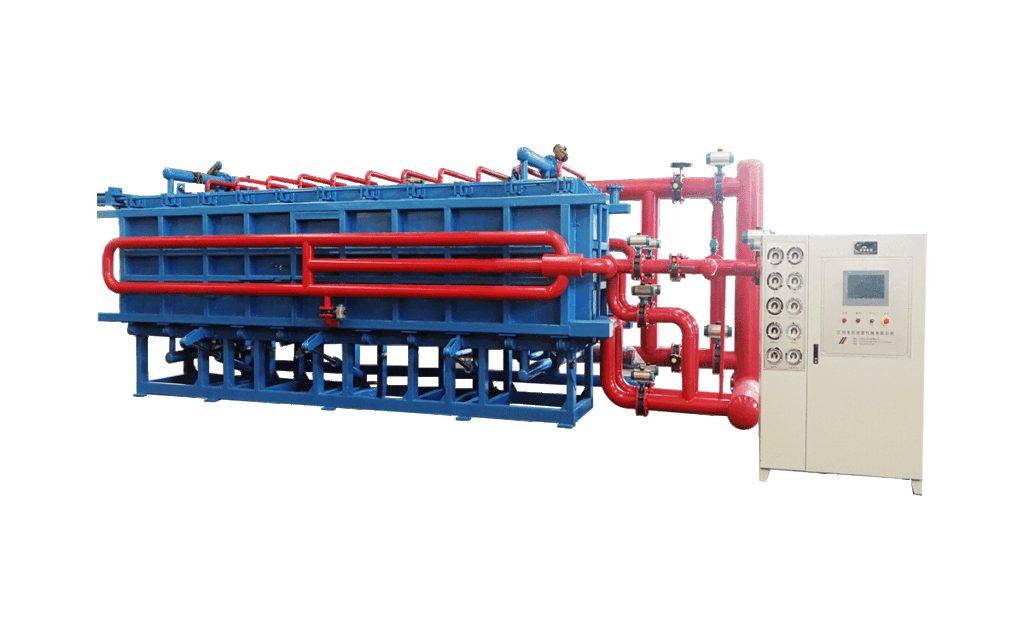
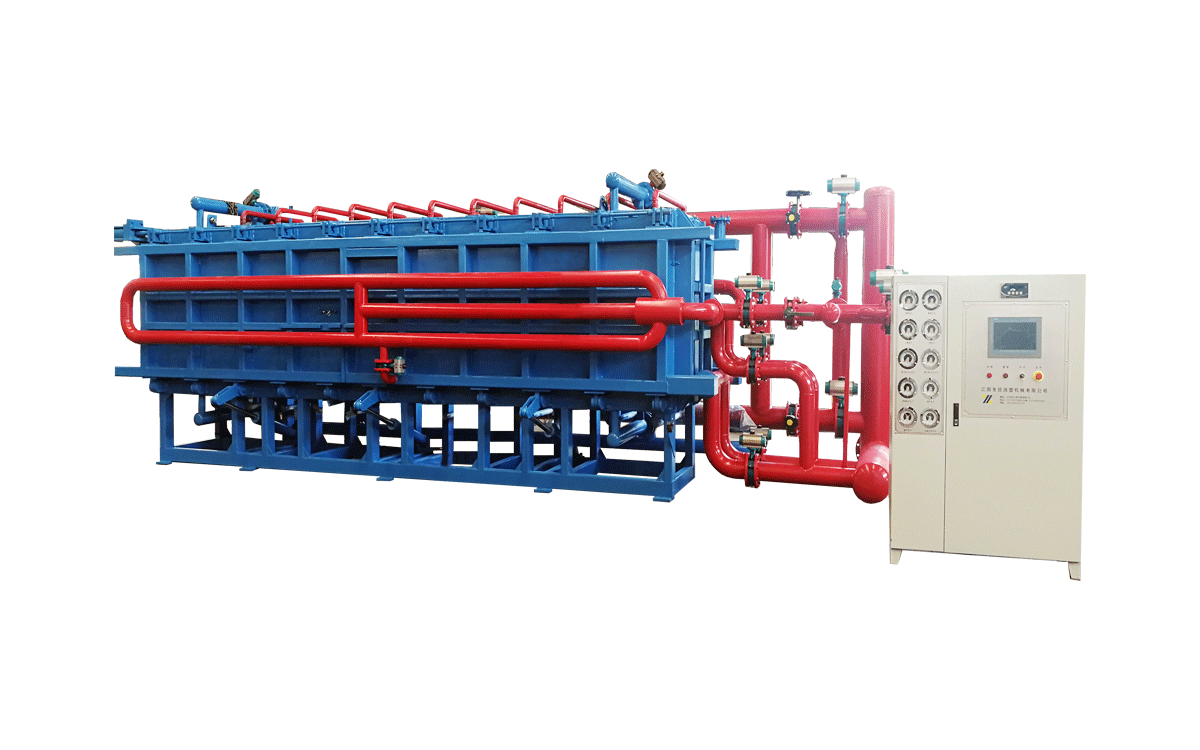
An EPS block molding machine is a long-life asset, but only if it is cared for. Most unplanned downtime traces back to a handful of preventable issues. The eight tips below keep your Expandable Polystyrene machine running and your rejects low.
8 Practical Maintenance Tips
1. Blow Down Steam Lines Daily
Condensate and scale clog vents. A 5-minute end-of-shift blow-down protects valves and heat exchangers.
2. Inspect Steam Valves Weekly
Worn seals cause uneven pressure and soft corners. Replace seals at the first sign of lagging temperature.
3. Clean Mold Vents
Blocked vents trap steam, slowing cycle time. Use the recommended needle tools; never drill vents wider.
4. Track Hydraulic Oil
Check level and filter condition monthly. Contaminated oil scores cylinders — the most expensive repair on the machine.
5. Tighten Electrical Connections
Vibration loosens terminals. A quarterly torque check prevents random faults and PLC resets.
6. Lubricate Moving Parts
Guide rods and chains need scheduled grease. Dry running wears bases and ruins parallelism.
7. Keep a Critical Spare Kit
Stock seals, sensors and a spare vent block. YouXin ships a recommended spare list with every line.
8. Train the Operator, Not Just the Machine
Skilled operators catch drift before it becomes scrap. Budget a half-day refresher each quarter.
YouXin After-Sales Support
Every YouXin EPS machine includes remote diagnostics and a spare-parts plan. Contact our team for a maintenance schedule tuned to your shift pattern.
A maintenance schedule you can actually follow
Eight tips only help if they land on a calendar. The schedule below turns them into a routine that fits a normal shift pattern. Treat the frequencies as a starting point and tighten them on lines that run three shifts or mould heavy densities.
| Task | Frequency | Time | Why it matters |
|---|---|---|---|
| Blow down steam lines and drains | End of every shift | 5 min | Removes condensate and scale before they reach valves and mould vents |
| Log steam pressure and cycle temperature | Every shift | 2 min | Drift in steam is the earliest warning of soft corners and stretched cycles |
| Inspect steam valves and seals | Weekly | 20 min | Worn seals give uneven pressure across the mould face |
| Clean mould vents | Weekly, daily on high-output lines | 30 min | Blocked vents trap steam and add minutes to every cycle |
| Check hydraulic oil level, temperature and filter | Monthly | 20 min | Contaminated oil scores cylinders, the most expensive repair on the machine |
| Grease guide rods, chains and hinges | Per lube chart, typically weekly | 15 min | Dry running wears bases and ruins mould parallelism |
| Torque electrical terminals | Quarterly | 45 min | Vibration loosens terminals; this prevents random faults and PLC resets |
| Calibrate weight and density checks against a reference block | Monthly | 30 min | Confirms the machine still delivers the density you are selling |
| Review spare-parts stock against the recommended list | Quarterly | 30 min | Seals, sensors and a vent block should already be on the shelf |
Plants that keep this schedule usually discover that their unplanned stops cluster around one or two causes. Fixing those permanently is worth more than any further tightening of the routine.
Where the wear actually comes from
A block moulding machine lives on thermal and mechanical cycling. Every steam cycle heats and cools the chamber, every ejection loads the hydraulic system, and every vacuum cycle pulls water through the mould. That is why seals, vents and hydraulic oil fail long before the steel does.
The second source of trouble arrives before the machine. Beads that leave the EPS pre-expander machine too wet, or that skip proper ageing in an EPS silo system, force longer steam cycles and more frequent vent cleaning. Several “moulding machine” maintenance problems are really pre-expansion problems wearing a different hat.
Common maintenance mistakes
Drilling blocked vents wider. A wider vent changes steam distribution and leaves permanent marks on the block surface. Use the recommended needle tools and replace vent inserts when they are worn.
Mixing hydraulic oil grades. Topping up with whatever is on the shelf damages seals and can foam under vacuum. Keep one grade on site and label the drum.
Ignoring the condensate return. Wet steam wastes energy and lengthens every cycle. The boiler room is part of the maintenance picture, not a separate department.
Replacing parts without finding the cause. A seal that fails twice in a month is telling you about pressure, temperature or alignment — not about the seal.
Skipping the log. Without a steam and cycle record you cannot tell a slow drift from a one-off fault, and every diagnosis starts from guesswork.
Typical specifications
Horizontal Styrofoam EPS Block Molding Machine — specification snapshot
| Model | Block Length | Block Width | Block Thickness | Output (@15 kg/m³) |
|---|---|---|---|---|
| SPB-2000WZ to SPB-6000WZ | 2000–6000 mm | 1000–1200 mm | 1000–1200 mm | 12–15 blocks/hour |
These are YouXin’s current model ranges. The routines above apply across the whole block moulding family, including the vertical EPS block molding machine and the height-adjustable model; only the access points differ.
Frequently Asked Questions
How often should mould vents be cleaned?
Weekly on a standard line, daily on high-output lines or when running fine bead grades. If cycle time is creeping up, check the vents before you look anywhere else.
Why do block corners come out soft?
Usually uneven steam: a worn valve seal, partially blocked vents, or condensate in the line. Measure pressure at the mould, not only at the boiler gauge.
What spare parts should we keep in stock?
Seals for steam valves, a spare vent block, temperature and pressure sensors, and hydraulic filters. Every YouXin machine ships with a recommended spare list built around your configuration.
Does maintenance differ between vertical and horizontal machines?
The routines are the same; the access differs. Horizontal machines need more attention to conveyor and ejector alignment, vertical machines to door seals and locking.
Can our own technicians handle this, or do we need a service visit?
Everything in the schedule above is routine plant work. Remote diagnostics cover control faults; a site visit is only needed for mechanical alignment and major overhauls. Contact our team for a schedule tuned to your shift pattern.