
Complete Guide to Building an EPS Factory: Layout, Machines and Budget
Setting up an EPS factory is a sequence of decisions, not a shopping list. The process route determines which machines you buy, the machines determine the floor area and services you need, and those two together determine the budget. This guide walks through the steps in the order that matters.
Step 1: define the product mix
Decide what you will sell before you buy anything. Insulation block, packaging block, fish boxes and geofoam all need a different equipment emphasis. A plant making only insulation block needs a strong EPS block molding machine and a cutting line; a plant making fish boxes needs shape moulding and wrapping capacity instead.
Step 2: the core production line
- Pre-expander — sets bead density, the single biggest influence on final quality
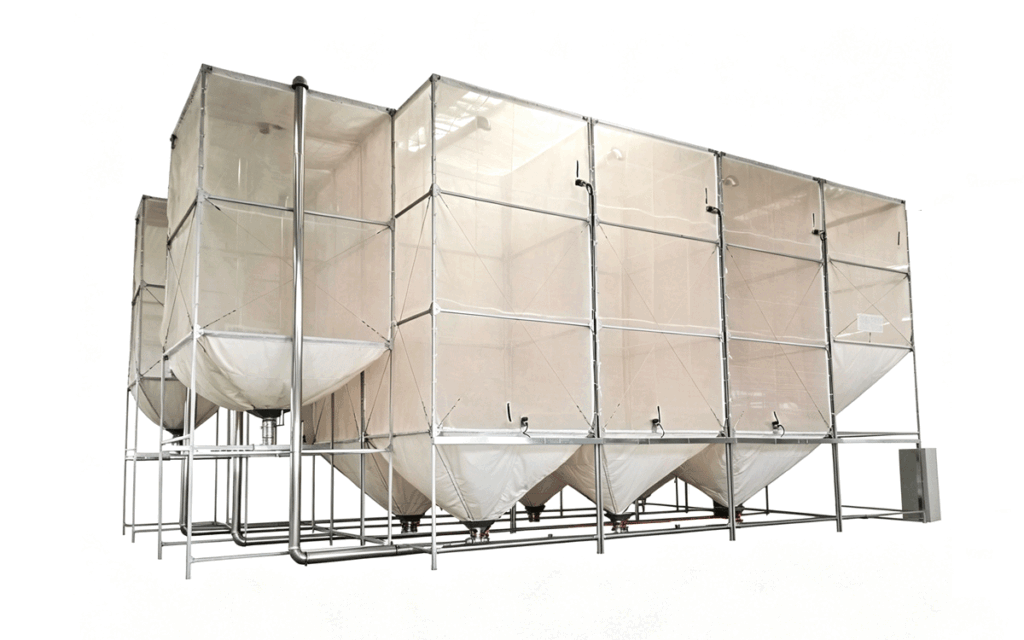
- Silo system — ageing and storage; skimping here causes density drift and block defects
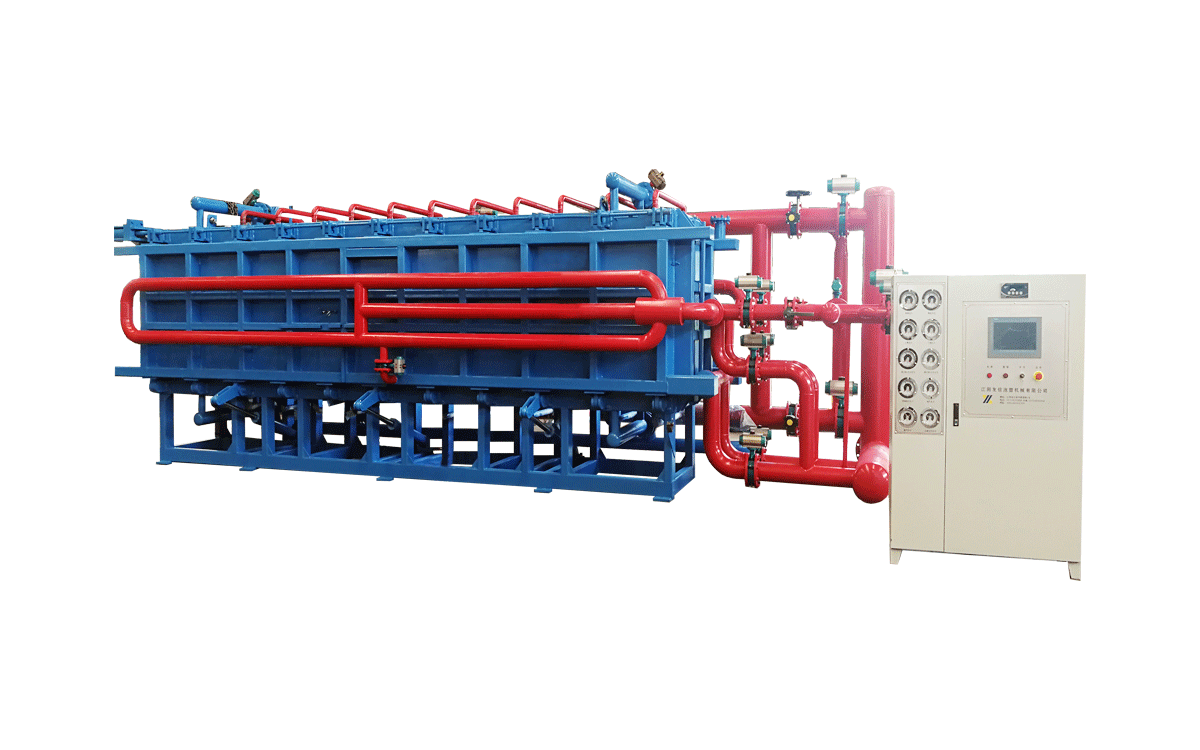
- Block molding machine — the capacity centre of the plant
- Cutting line — converts block into sheets; add an EPS CNC cutting machine for profiles
- Recycling system — returns scrap to production and cuts material cost
Step 3: services and utilities
Steam is the hidden constraint. Blocks are fused with steam, so boiler capacity, steam pressure stability and condensate return must be sized together with the moulding machine, not after it. Compressed air, cooling water and electrical load follow the same rule. Budget for a boiler that can serve the moulding machine at peak cycle rate, not at average load.
Step 4: layout and material flow
Arrange the line so material moves in one direction: raw bead intake, pre-expander, silos, block moulding, block storage, cutting, packing. Crossing flow paths create forklift traffic, damage blocks and cost labour. Leave curing space for blocks — freshly moulded blocks need hours to stabilise before cutting, and that floor area is easy to forget when sizing a building.
Step 5: automation level
Manual lines keep investment low but depend on operator skill. Automatic conveyors, weighers, tilters and packaging machines add cost but stabilise quality and reduce headcount per tonne. Our plant design service covers process route, layout, safety planning and MES for real-time production tracking.
Send us your target output, block size and product mix and we will prepare a layout and budget estimate — contact us.
Typical specifications
EPS Pre-expander Machine — specification snapshot
| Model | Chamber Diameter | Chamber Height | Density Tolerance | Output (@15 kg/m³) |
|---|---|---|---|---|
| SPJY-1600G | 1600 mm | 2500 mm | ±1.5% | 1600–1800 kg/h |
| SPJY-2000G | 2000 mm | 2000 mm | ±1.5% | 2000–2200 kg/h |
These are YouXin’s current model ranges. Exact configuration depends on block size, density target and the layout you run. Full options: EPS Pre-expander Machine.
Horizontal Styrofoam EPS Block Molding Machine — specification snapshot
| Model | Block Length | Block Width | Block Thickness | Output (@15 kg/m³) |
|---|---|---|---|---|
| SPB-2000WZ to SPB-6000WZ | 2000–6000 mm | 1000–1200 mm | 1000–1200 mm | 12–15 blocks/hour |
These are YouXin’s current model ranges. Exact configuration depends on block size, density target and the layout you run. Full options: Horizontal Styrofoam EPS Block Molding Machine.
Step 6: what the budget actually contains
Equipment is the visible part of the investment and usually the smaller half of it. Budget these items from the start so the project does not stall after the machines arrive:
- Core machines — pre-expander, silos, block moulding, cutting, wrapping or packing, recycling
- Steam plant — boiler sized for peak cycle rate, steam distribution, condensate return
- Utilities — compressed air, cooling water, electrical supply and distribution, earthing
- Building and layout — foundations, curing and block storage area, material flow routes
- Installation and commissioning — rigging, alignment, wiring, start-up and operator training
- Spare parts and consumables — a recommended spares kit, cutting wire, film, seals and sensors
- Working capital — raw bead stock, packaging, and the receivables gap on first orders
The two lines most often under-budgeted are steam capacity and block storage. Both are cheap to plan and expensive to add once the plant is running.
Common mistakes when planning a plant
Buying machines before defining the product mix. Insulation block, packaging block, fish boxes and geofoam need different equipment emphases. Decide what you sell first.
Designing the layout around the machines instead of the flow. Raw bead in, block out, sheet out, packing out — one direction. Crossing paths create forklift traffic and damaged blocks.
Sizing the boiler to average load. Moulding pulls steam in peaks. An under-sized boiler stretches every cycle in the plant.
Forgetting curing space. Freshly moulded blocks need hours to stabilise before cutting, and that floor area is easy to omit when sizing a building.
Skipping the recycling stage. Scrap starts on day one. Planning a recycling system later means retrofitting it into a running layout.
Frequently Asked Questions
How much floor area does an EPS plant need?
It depends on block size, output and how much curing and storage you keep on site. Send us your target output and we will return a layout with dimensions.
Which machine should we buy first?
Pre-expander and block moulding, with enough silo volume to keep them running independently. Cutting, packing and recycling follow the product mix.
Do we need a CNC cutter from the start?
Only if profiles, samples or architectural shapes are part of the order book. Standard sheet production runs on a straight cutting line.
How long does commissioning take?
Installation, alignment and operator training are typically measured in weeks, not days. Plan the training before the machines arrive.
Can YouXin design the whole plant?
Yes — process route, layout, installation guidance and operator training. Contact us with your target output, block size and product mix.
Step 7: staffing and skills
An EPS plant is not labour-intensive by manufacturing standards, but it is skill-sensitive at three points. The pre-expander operator sets the density of everything that follows. The moulding operator controls cycle time and steam, which is where most energy is spent. The maintenance technician keeps steam valves, vents and hydraulics in condition. Everything else can be trained in days.
Plan for a maintenance capability from the start. Seals, sensors and vents are consumables in this industry, and a plant that waits for a service visit to change a seal loses more in downtime than the spare part costs.
Finally, decide who owns the process records: steam logs, density checks, cutting tolerances. Plants that keep those records improve steadily; plants that do not repeat the same problems every season.
How many people does a small EPS plant need?
A single-shift plant typically runs with a handful of operators across pre-expansion, moulding, cutting and packing, plus maintenance cover. Automation reduces the number per tonne rather than the number overall.
What training does YouXin provide?
Installation guidance, start-up support and operator training, with remote diagnostics afterwards. Ask us for a training plan matched to your shift pattern.