
Expanded polystyrene, commonly known as EPS foam, is widely used in protective packaging, appliance cushioning, food-service containers, and insulation products. Although EPS is lightweight and practical, its high volume creates a major challenge for collection, storage, and transport.
An EPS hot melting recycling machine solves this problem by using controlled heat and mechanical processing to reduce the volume of waste EPS and convert it into dense recycled material. Instead of transporting large quantities of low-density foam, recycling facilities can produce compact EPS ingots that are easier to store, ship, and reuse in downstream manufacturing.
This technology helps recycling companies, packaging plants, warehouses, logistics centers, and waste-management operations improve EPS recovery efficiency.
What Is an EPS Hot Melting Recycling Machine?
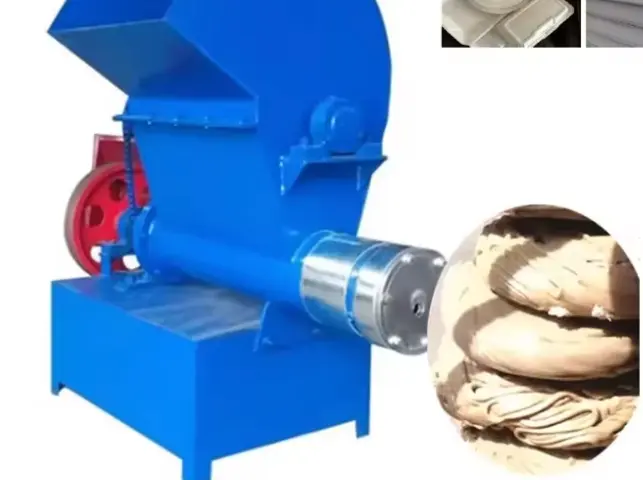
An EPS hot melting recycling machine is equipment designed to process expanded polystyrene waste through crushing, heating, densification, and extrusion.
The machine does not burn EPS. It uses controlled heat to soften and melt the foam, allowing trapped air to escape and leaving behind a much denser polystyrene material. The processed material is typically discharged as solid blocks, bars, or ingots.
These dense outputs can be transported to recycling facilities for further processing into recycled polystyrene raw material.
Why EPS Recycling Requires Densification
EPS is made mostly of air. This gives the material excellent cushioning and insulation properties, but it also means large quantities of foam take up significant space.
Without densification, EPS waste can create several operational problems:
- High storage requirements
- High transportation cost
- Low truck-loading efficiency
- Difficult handling at recycling stations
- Increased landfill pressure
- Reduced value for collected waste material
An EPS hot melting recycling machine reduces the physical volume of foam dramatically, making recovery and recycling more commercially practical.
Step 1: EPS Waste Feeding
The recycling process begins when clean EPS foam is placed into the machine's feed chamber or hopper.
Typical feedstock may include:
- Packaging foam
- Protective EPS inserts
- Foam blocks
- Appliance packaging
- EPS fish boxes
- White foam containers
- Industrial foam scrap
- Post-consumer EPS waste after sorting
For best recycling performance, EPS material should be separated from excessive dirt, food residue, metal, wood, and other non-polystyrene contaminants.
Step 2: Crushing and Size Reduction
After feeding, the material enters a crushing or shredding section. Rotating blades or cutters break large foam pieces into smaller fragments.
This step improves material handling and creates a more consistent feed for the heating section. Smaller EPS pieces can move through the machine more evenly, helping support stable densification and extrusion.
The crushing process also begins to remove some of the air volume inside the foam structure.
Step 3: Controlled Heating and Melting
The crushed EPS then enters the thermal processing chamber. Inside the machine, controlled heating softens and melts the polystyrene.
During this stage, the expanded foam structure collapses and the air contained inside the EPS is released. What remains is a dense polystyrene melt.
Temperature control is important. The goal is to process the material efficiently while maintaining stable material quality and avoiding unnecessary degradation. A well-designed EPS hot melting recycling machine should include suitable temperature control, operating safeguards, and ventilation arrangements.
Step 4: Compression and Densification
As the EPS softens, the machine compresses the material. This process removes the large empty spaces that made the original foam bulky.
The result is a dense, compact mass with a much smaller volume than the original EPS waste. This is the key economic benefit of hot-melting recycling technology.
Densified EPS is easier to:
- Store in a recycling facility
- Load into containers or trucks
- Transport over long distances
- Sell to downstream recyclers
- Use as recycled polystyrene feedstock
Step 5: Extrusion Into Dense EPS Ingots
After melting and compression, the material is pushed through an extrusion section. The machine forms the dense polystyrene into a continuous shape, such as a bar, block, or ingot.
The discharge form may vary according to machine design, throughput capacity, and downstream handling requirements.
Once cooled, the compacted material can be stacked, packed, and prepared for shipment. This recycled EPS output is commonly sent to specialized processors that convert it into pellets or other usable recycled polystyrene materials.
What Happens to Recycled EPS Material?
The dense EPS ingots produced by an EPS hot melting recycling machine can be processed into recycled polystyrene material for various applications.
Depending on material quality and local recycling requirements, recycled polystyrene may be used in products such as:
- Picture frames
- Decorative moldings
- Office accessories
- Plastic components
- Construction-related products
- Hangers
- Stationery items
- Recycled plastic compounds
The final application depends on contamination levels, processing methods, customer specifications, and local material standards.
Key Benefits of an EPS Hot Melting Recycling Machine
Lower Transportation Costs
Densification allows more material to be transported in less space. This can reduce the number of collections and improve freight efficiency.
Better Storage Efficiency
Large volumes of loose foam can quickly fill warehouses and waste-storage areas. Dense EPS output requires much less storage space.
Improved Recycling Value
Loose EPS has limited value because it is expensive to handle and transport. Densified EPS is more practical for recyclers to purchase, process, and reuse.
Cleaner Waste Management
On-site EPS recycling can help businesses manage foam waste in a more organized and professional way, especially at packaging centers, distribution facilities, seafood markets, and manufacturing plants.
Support for Circular Material Use
By converting EPS waste into a recyclable dense material, businesses can help move polystyrene away from disposal and toward reuse in the recycling supply chain.
How to Choose an EPS Hot Melting Recycling Machine
Before selecting equipment, consider the following factors:
- Type and condition of EPS waste
- Expected daily or hourly processing volume
- Available installation space
- Power supply requirements
- Required output form
- Material feeding method
- Local environmental and safety requirements
- Maintenance access
- Ventilation and operating conditions
- Downstream buyer requirements for dense EPS ingots
A machine should be selected according to the actual waste stream, not only its listed capacity. Facilities processing clean industrial scrap may need a different configuration from those handling mixed post-consumer EPS packaging.
Safe and Efficient Operation
Proper operation is essential for stable output and long equipment life. Operators should follow the machine manual, maintain clean feeding conditions, inspect blades and heating zones regularly, and keep foreign materials out of the system.
The equipment should be installed in a suitable work area with appropriate power supply, ventilation, fire-safety measures, and operator training. Regular maintenance can help maintain consistent densification performance and protect the quality of recycled EPS output.
Final Thoughts
An EPS hot melting recycling machine transforms bulky expanded polystyrene waste into dense, transportable, and reusable material. Through feeding, crushing, controlled heating, compression, and extrusion, the system makes EPS recycling more efficient and economically practical.
For businesses that generate large volumes of foam packaging waste, an EPS hot melting recycling machine can reduce storage pressure, lower logistics costs, and support a more sustainable recycling workflow.
For EPS recycling equipment and solution information, visit EPS Plant.
Post time: 07-28-2026